
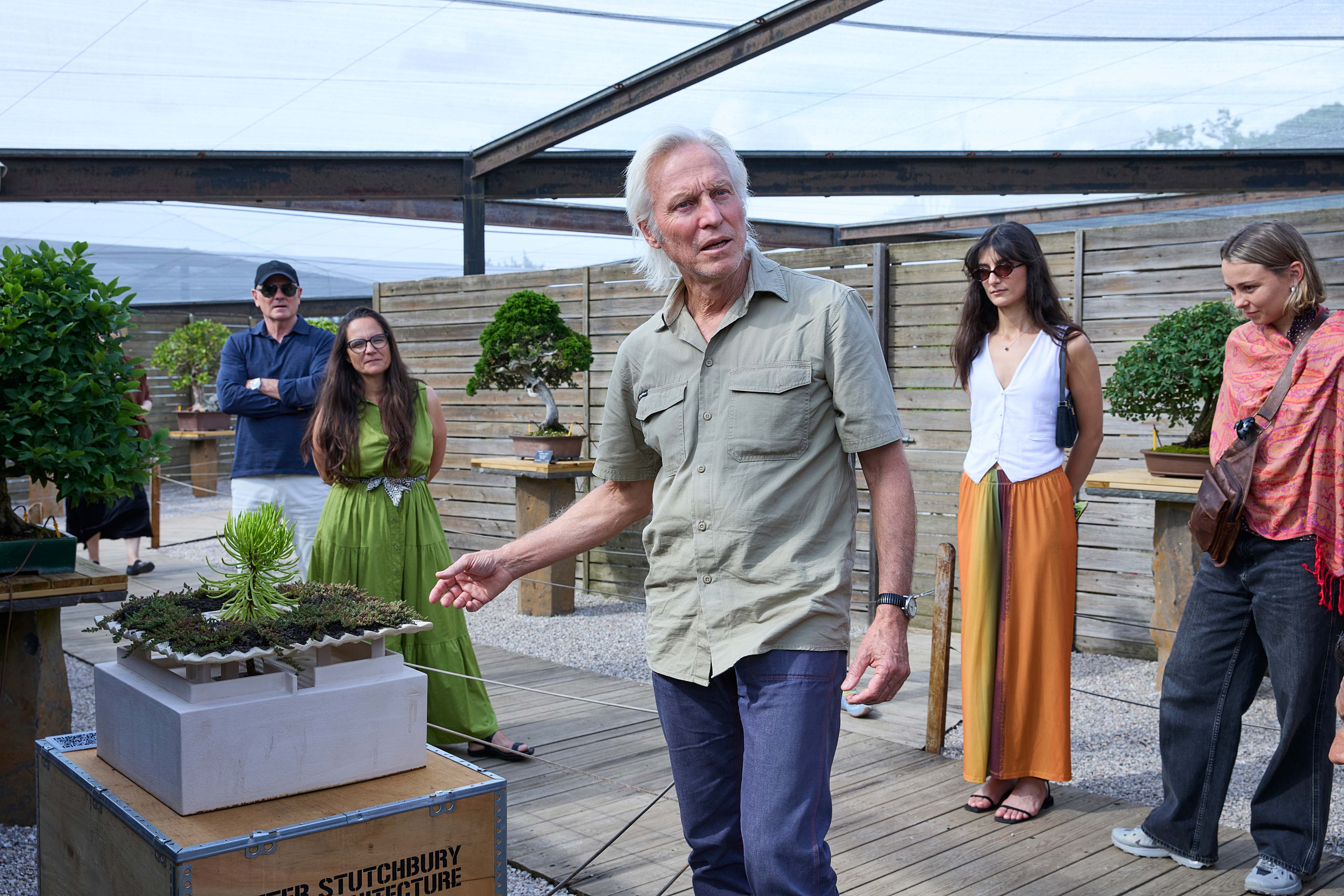
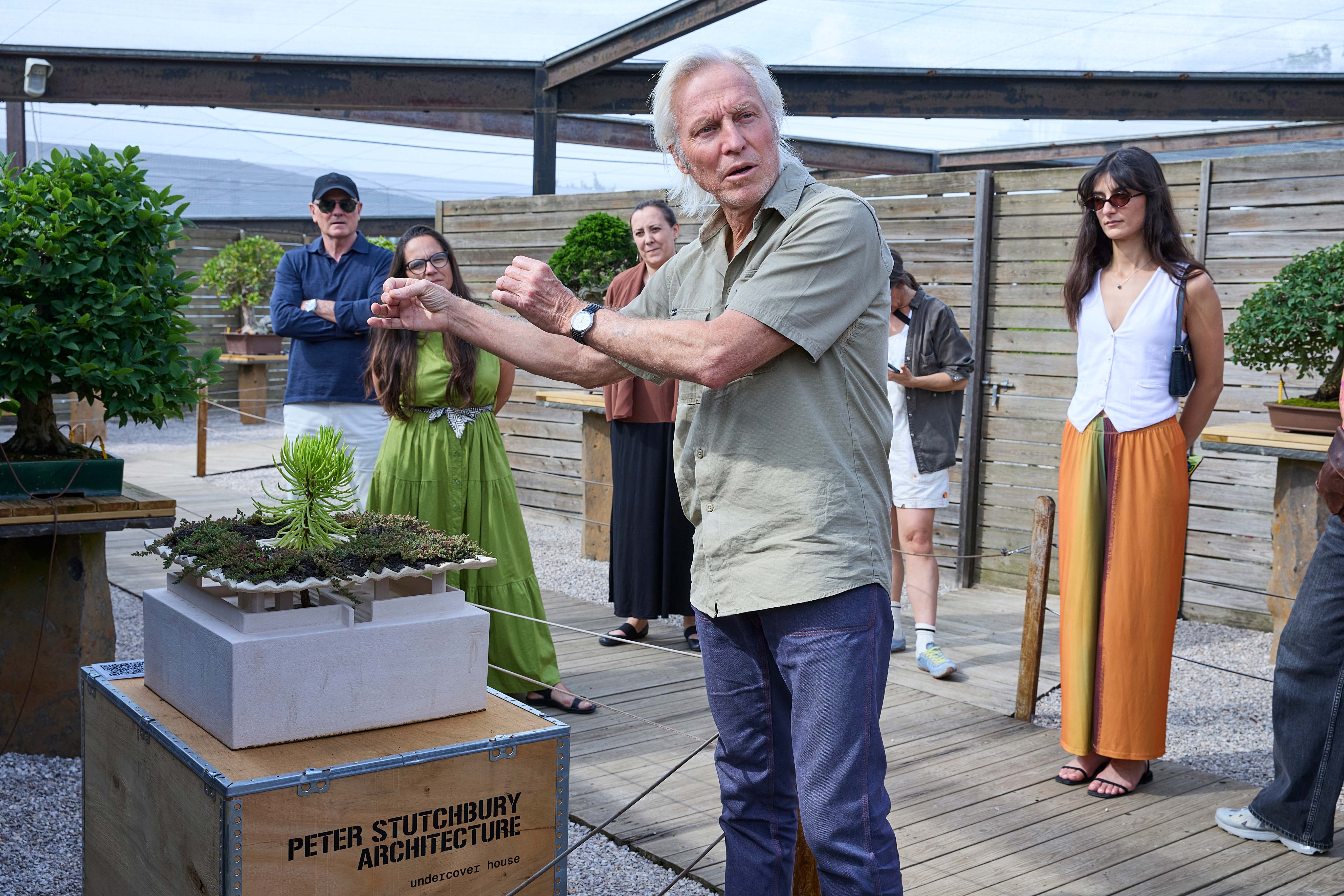
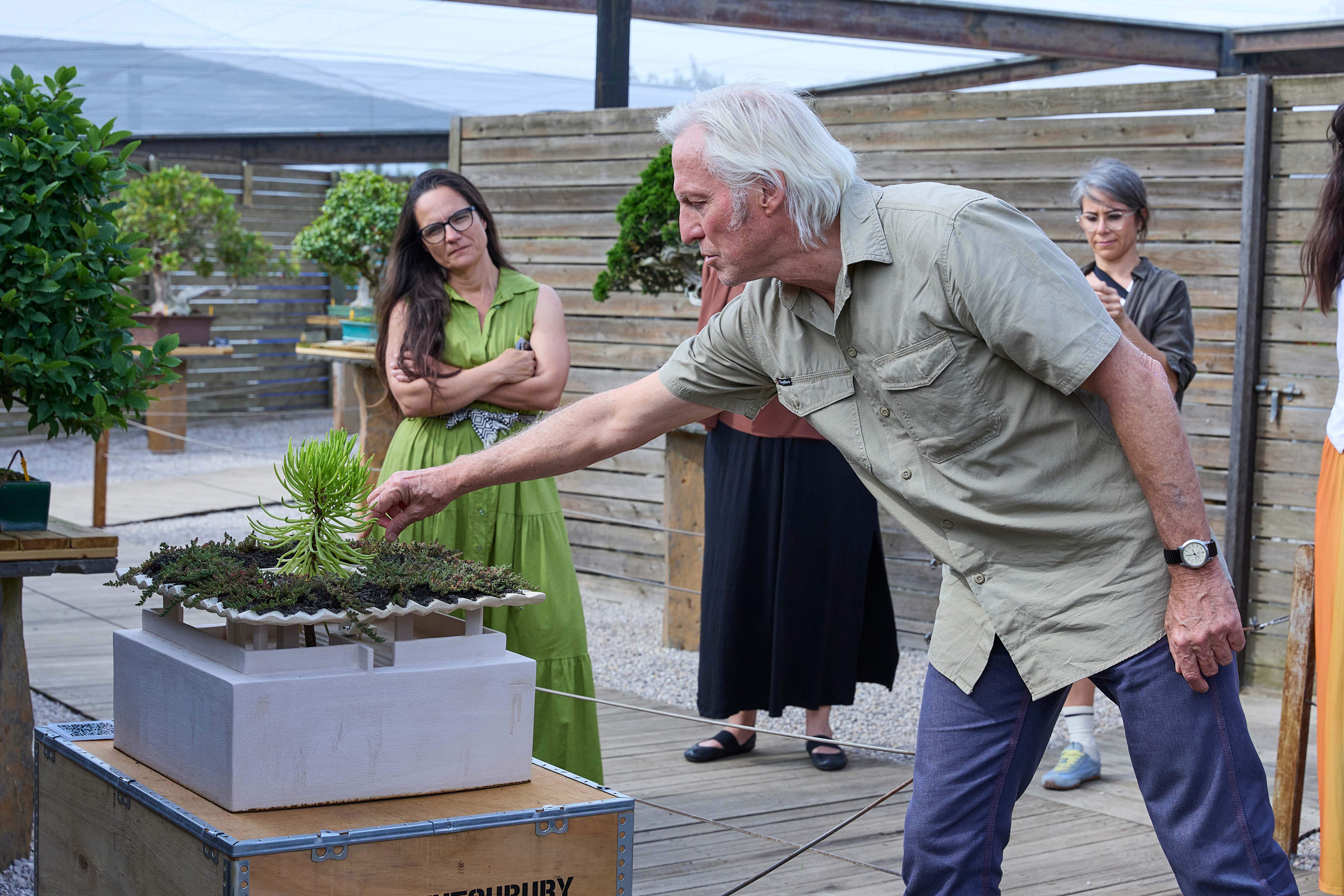
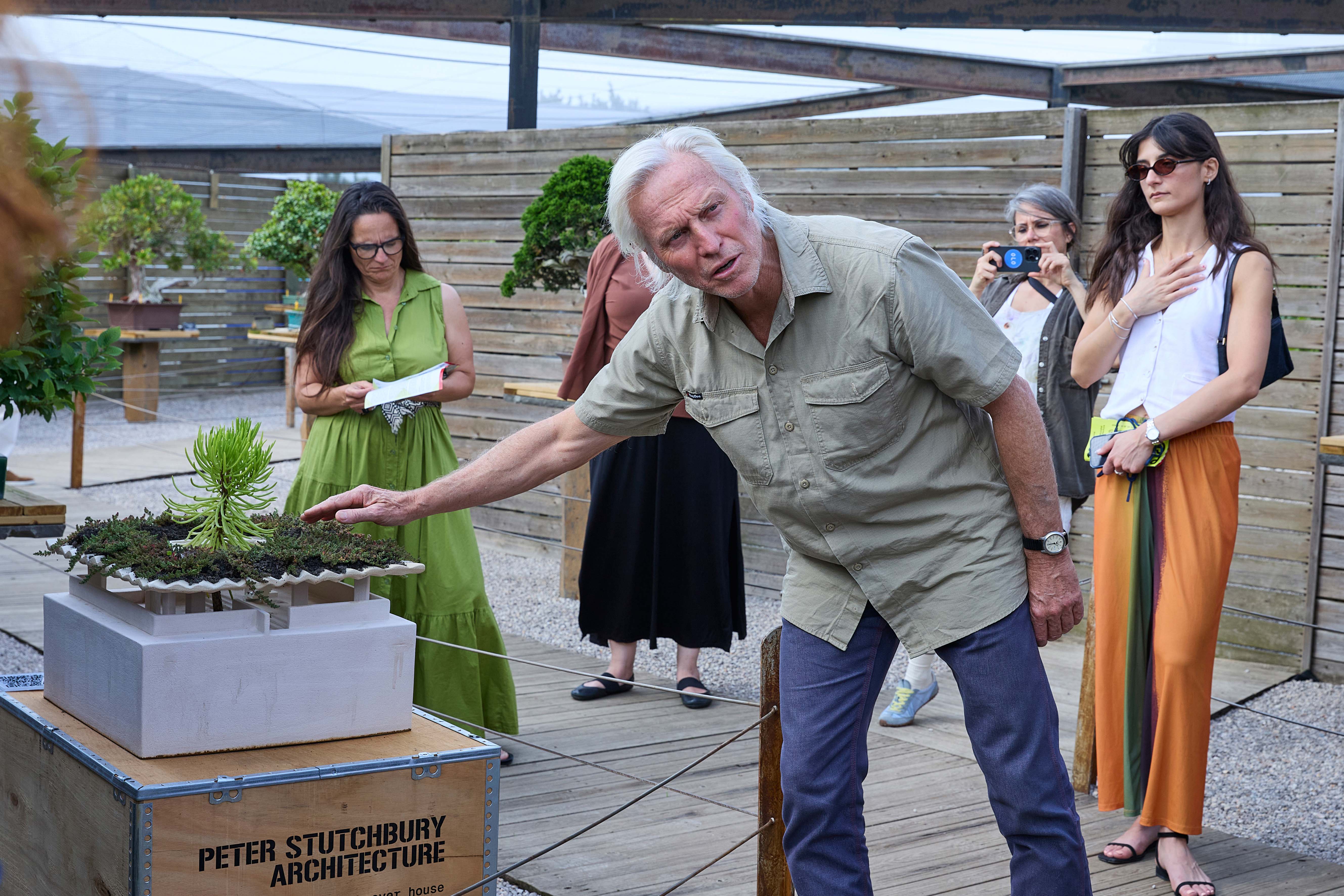
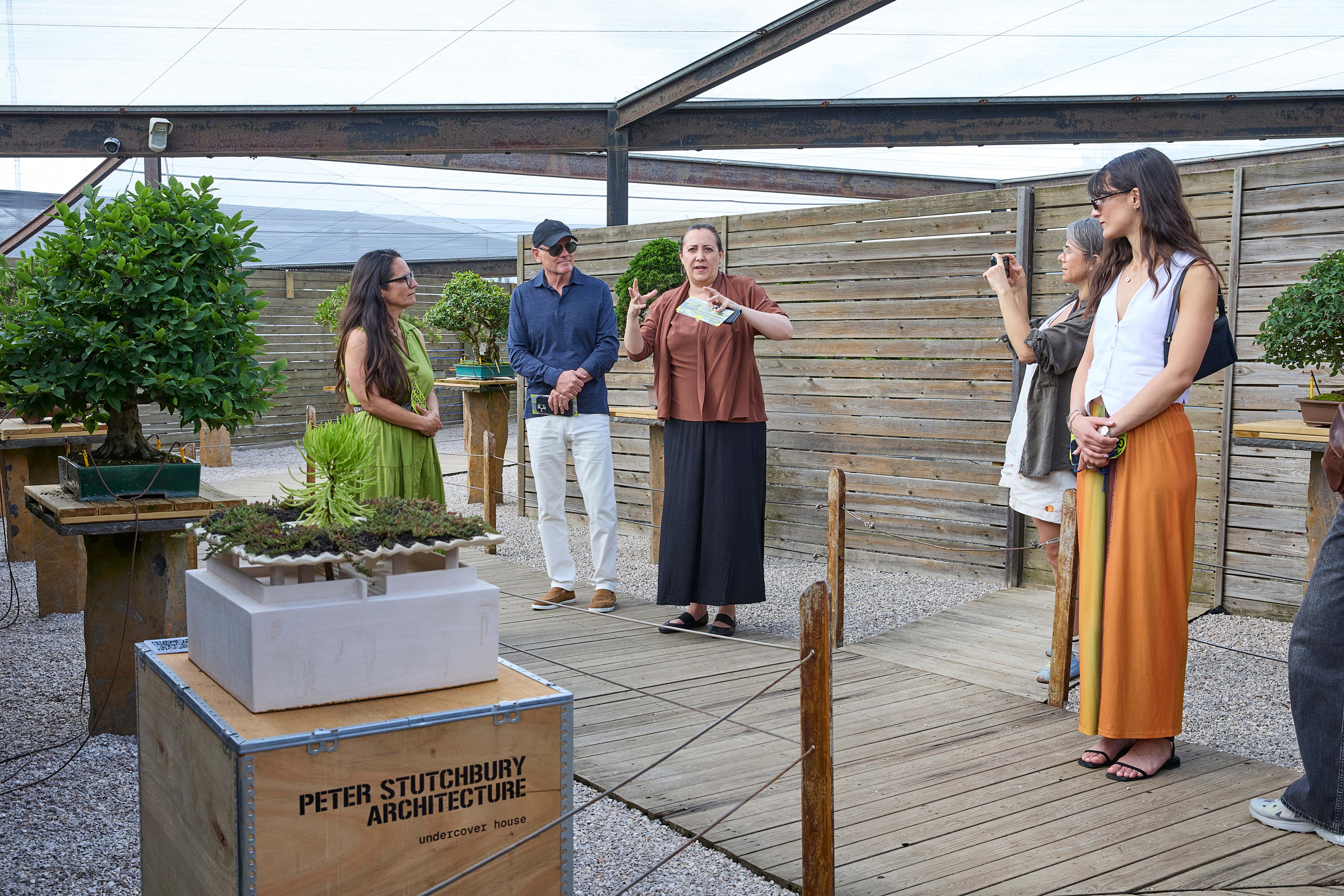
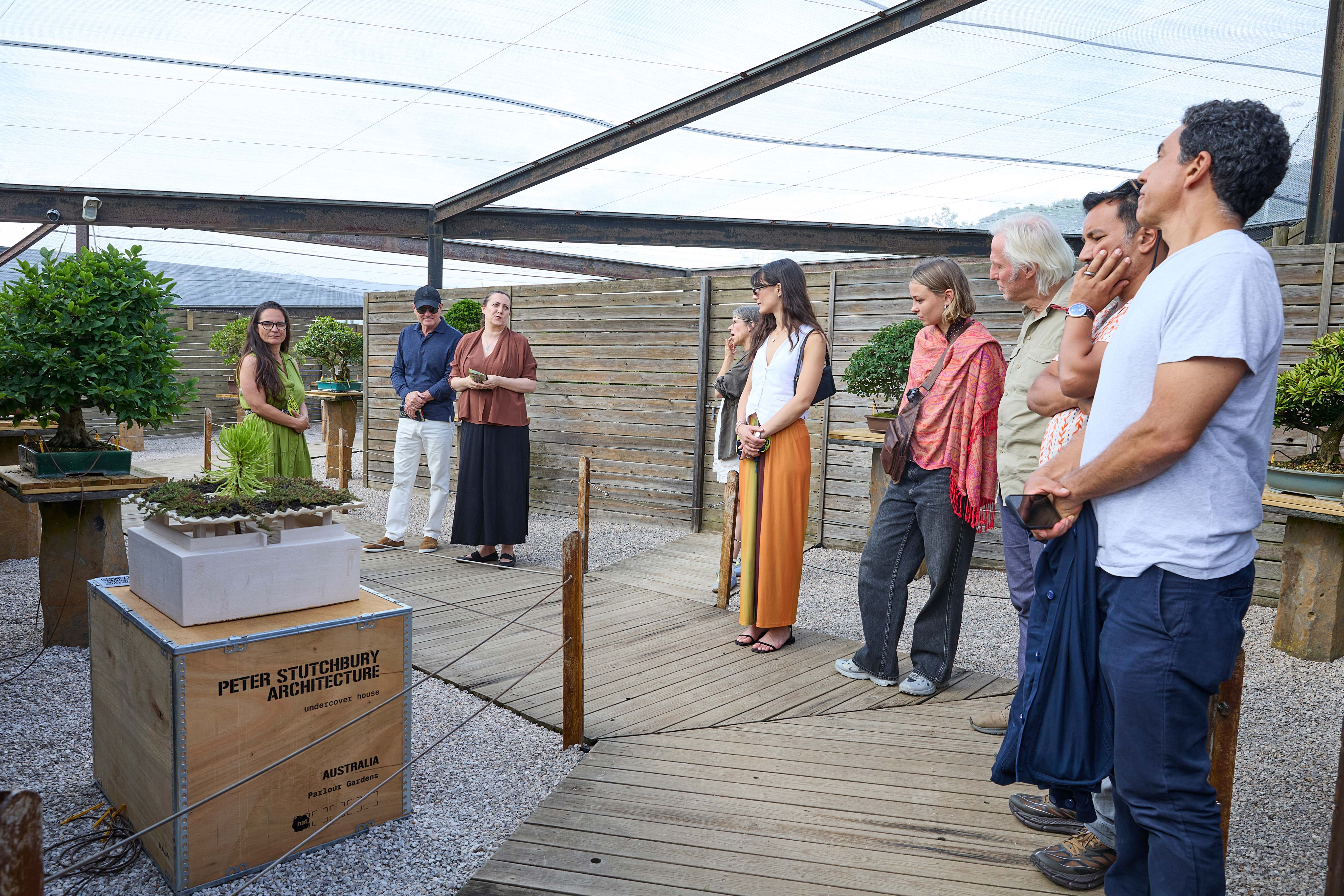
Undercover House
Undercover House – Peter Stutchbury Architecture
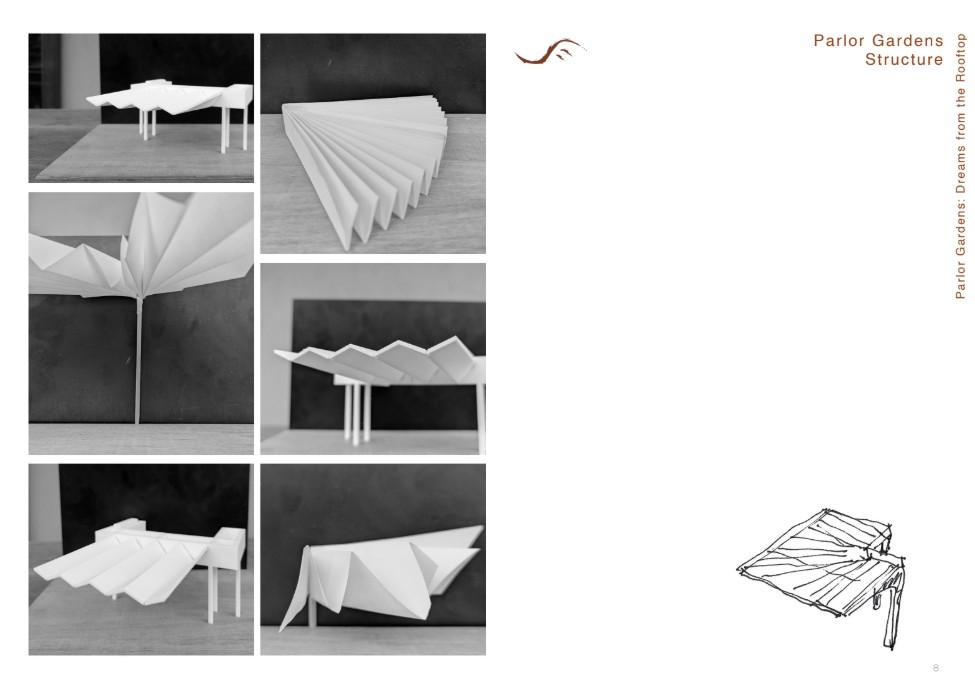
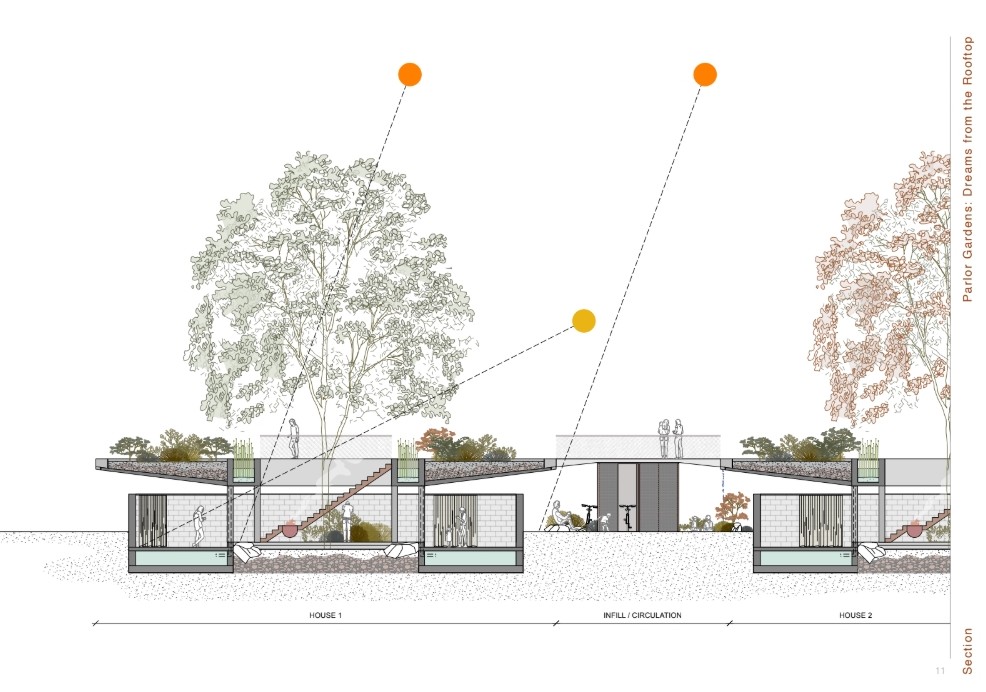
Making of Undercover House
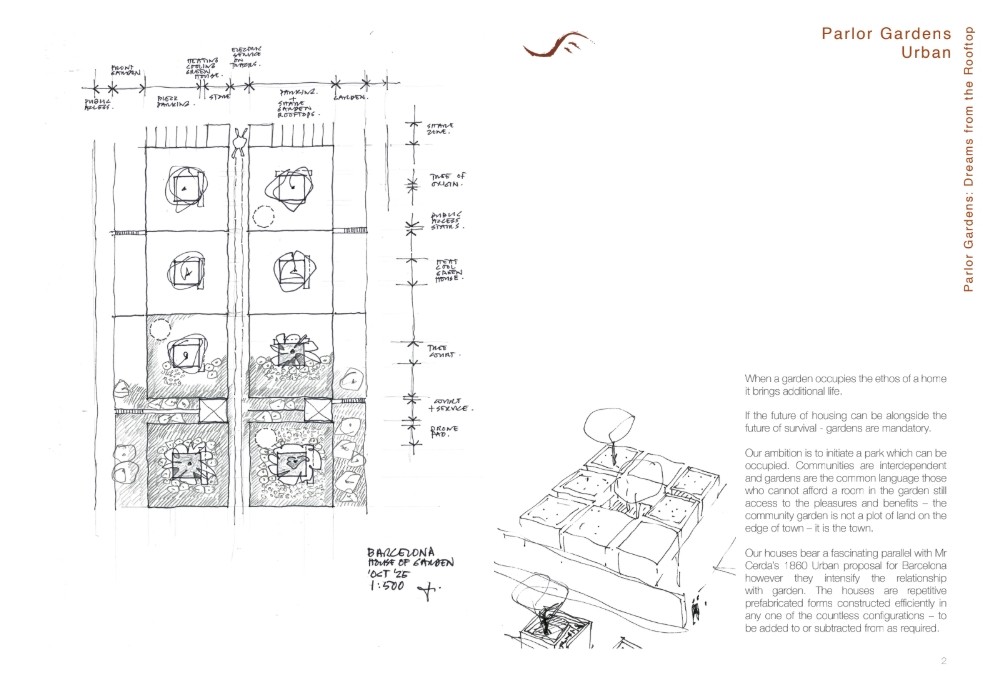
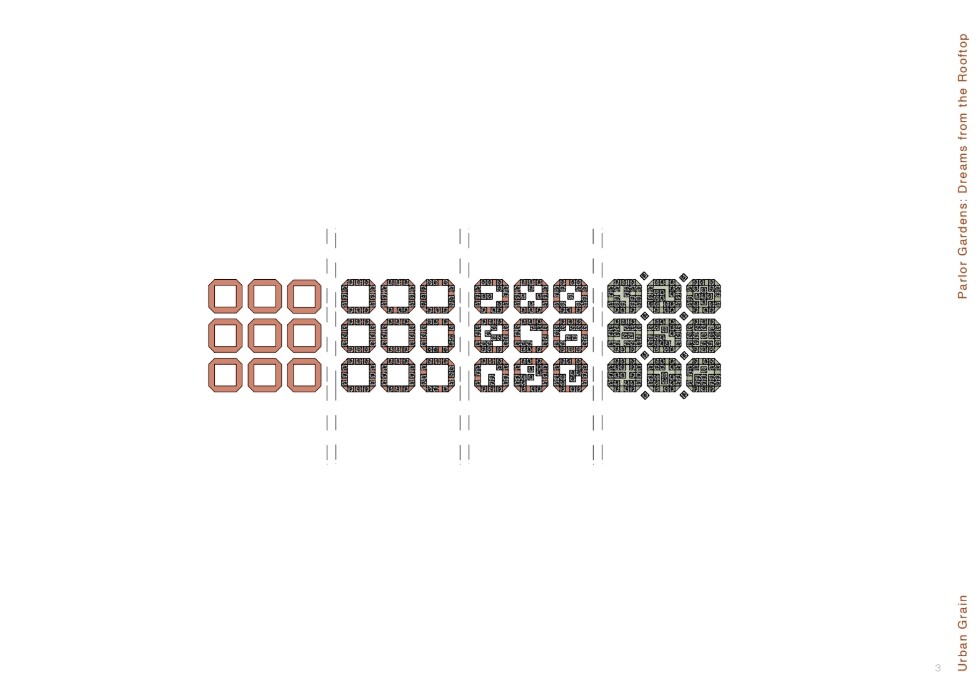
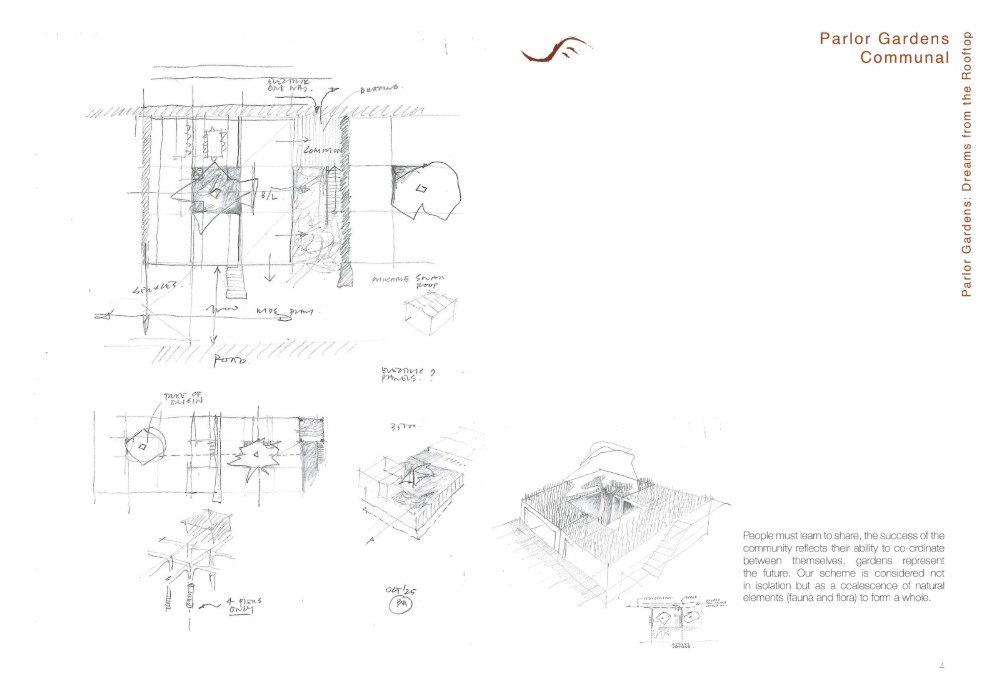
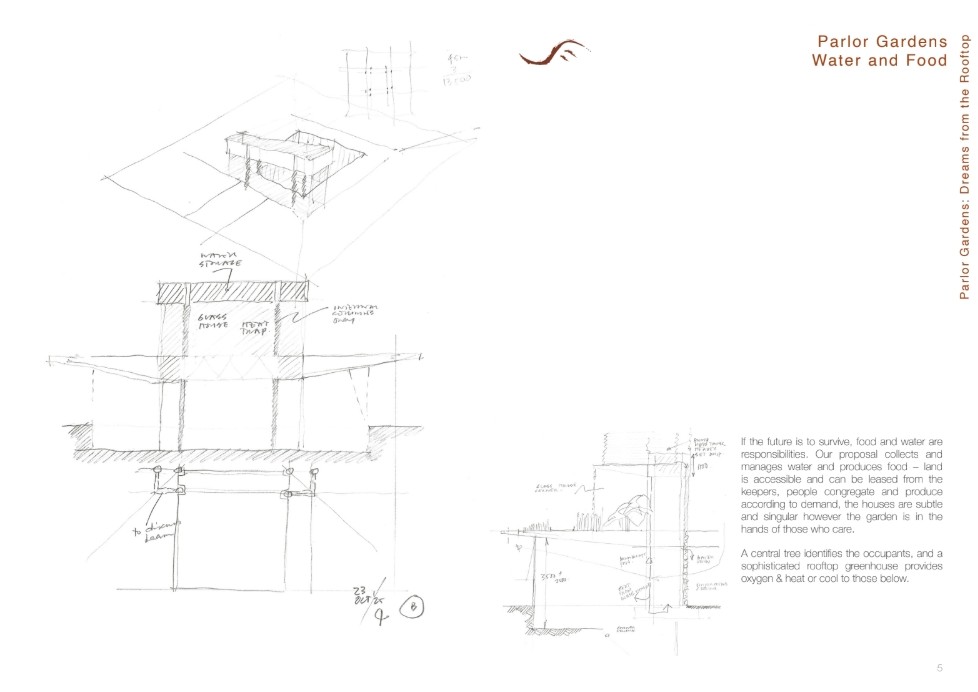
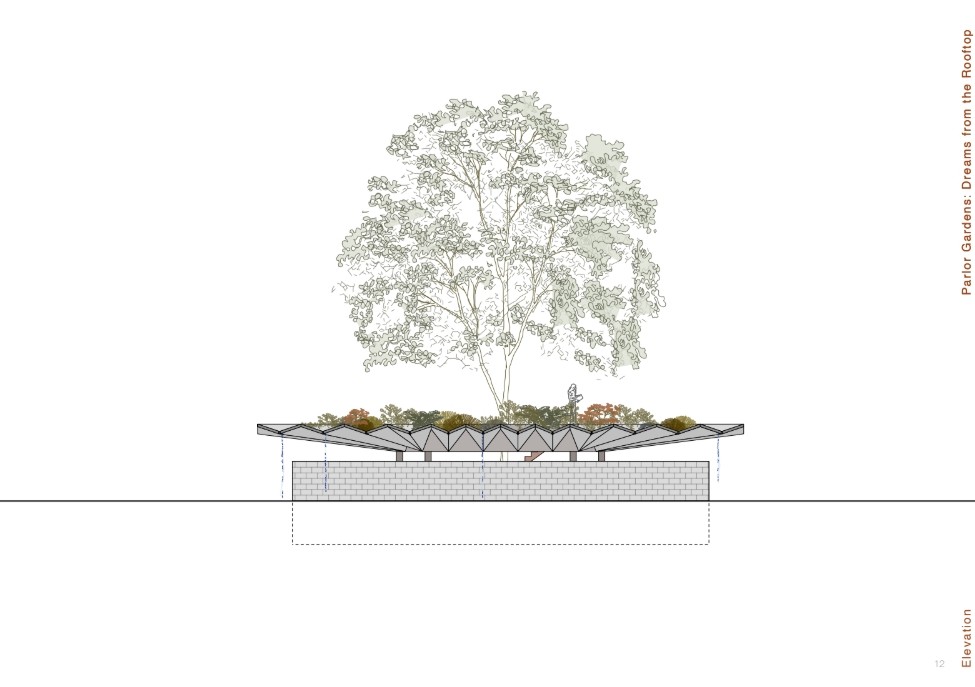
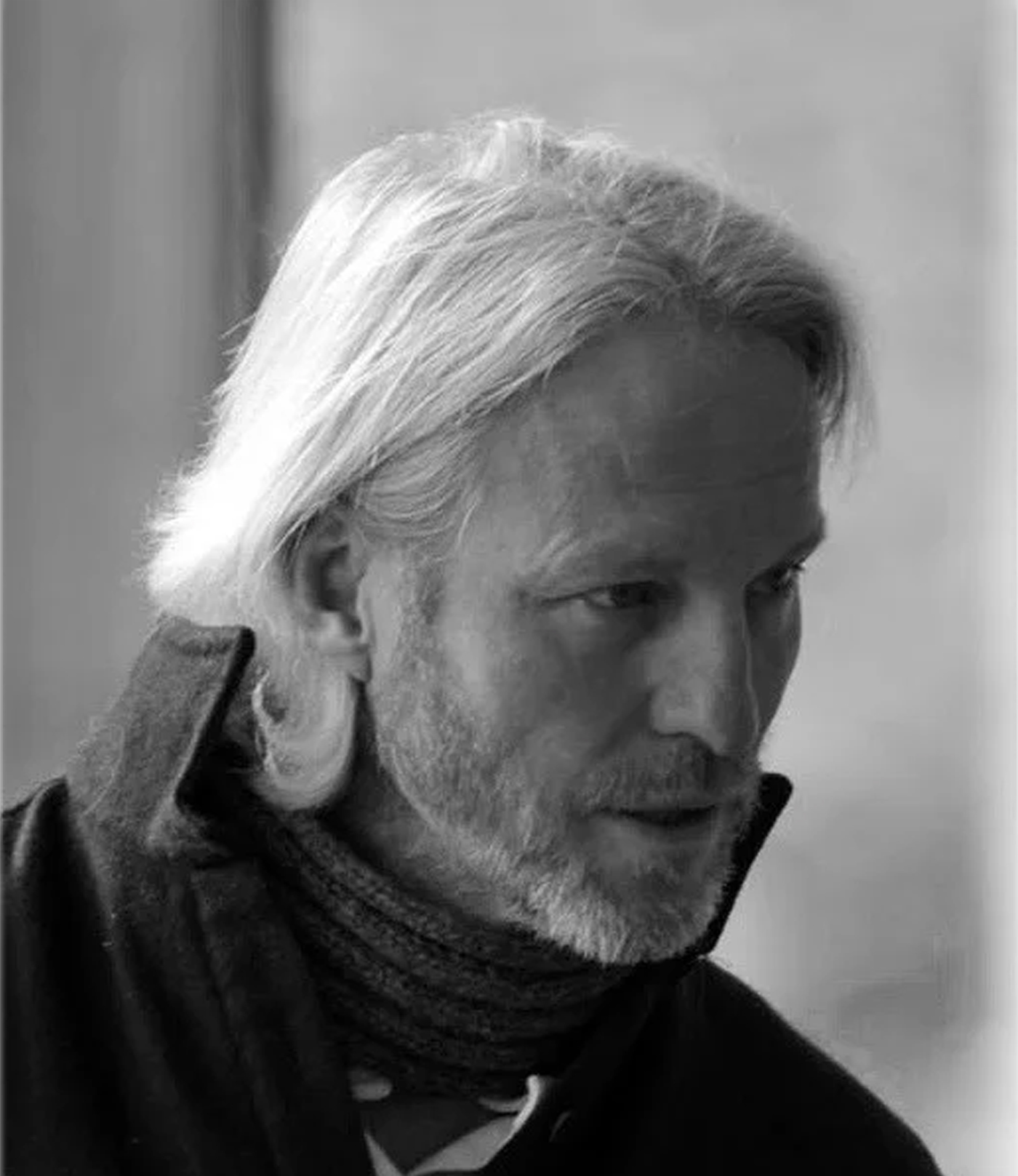
Peter Stutchbury Architecture (PSA) is a collection of unique individuals who pursue architecture with an open mind and experimental approach. They possess the talent that maintains standards of design, quality and delivery. Their comprehension of the tasks of architecture, along with their abilities to improve work, unmistakably contribute to the social and professional result of the firm’s projects.
PSA’s work is expertly and inventively responsive to the environmental and physical context in both form and technology. Seeking beauty and clarity, whilst always keeping the land in mind their built work sits comfortably and conscientiously within its context, it connects.
PSA is well awarded in Australia for their innovative approach to responsible and unique design within the practice of Architecture. Principal and founder, Peter Stutchbury has practiced independently since 1981 producing a wide variety of work. Projects have been published and acclaimed internationally.
Since 1993, PSA has constructed over 150 buildings, receiving both state and national AIA awards on 75 occasions (27 named) including the Robin Boyd Award in 2003, 2005, 2020 and 2021. Peter Stutchbury Architecture have exhibited work across Australia, Germany, Luxembourg, France, New Zealand, South Africa, Namibia, USA, Japan, Slovenia and now Spain. Additionally, PSA presented work in the Venice Architecture Biennale in Italy in both 2006 and 2008. PSA is in an annual exhibitor at the GA Gallery in Tokyo.
In 2016, Peter Stutchbury and Fernanda Cabral founded the PSA Foundation, a non-for-profit organization undertaking voluntary work in favelas in Salvador, Brazil. Since 2022 this work through the Foundation includes projects for First Nations communities in the Pilbara and Gibson Desert region of WA.
PSA sees buildings as rooms of education – the bridge between walking in the bush and wandering through the mind. Ultimately people are the act of integration within a true work of architecture.
A Director of Architecture at Peter Stutchbury Architecture, Belinda works with close attention to the art of making, both as object and place. She commenced private practice in 1988, establishing Koopman Architects. From 1997 to 2000, she taught construction, design, and presentation drawing at UTS Sydney. Her practice received multiple housing awards in 1992, 1999, and 2011. Belinda joined PSA in 2010 and has since led numerous award-winning projects, including recipients of the Robin Boyd Award. Her selected works as Project Architect include Land House, Inlet House, Cabbage Tree House, Basin Beach House, and the Joynton Avenue Creative Precinct. She also maintains a strong interest in jewelry design and art, receiving awards and undertaking residencies internationally in these fields.
Ben is a project architect at Peter Stutchbury Architecture. Joining PSA in 2023 he has contributed to Rock House, Pulpit Rock, River House, and the Western Sydney University Indigenous Centre of Excellence. Prior to joining PSA Ben worked at Hassell, Wardle, Denton Corker Marshall, Kerstin Thompson and Cheah Saw Architecture. He has studied and worked internationally, with formative experiences at RMIT, the Royal Danish Academy of Fine Arts, and working with the LIXIL foundation and Kengo Kuma and Associates in Tokyo. He has held teaching positions at the University of Melbourne, and Western Sydney University. Shaped by an international upbringing, his work explores architecture as a platform for repair and resilience, grounded in storytelling, landscape, and craft.
Gabrielle joined Peter Stutchbury Architecture in early 2025. She holds a Bachelor of Design (Architecture) with Distinction from the University of Newcastle and previously completed a Bachelor of Fashion Design at Whitehouse Sydney. At PSA, she is contributing to projects including a music studio, skywalk, and tile showroom. Her work is guided by a deep respect for First Nations knowledge and vernacular, alongside a strong commitment to sustainable practice, material sourcing, and the interconnected ecologies of architecture.