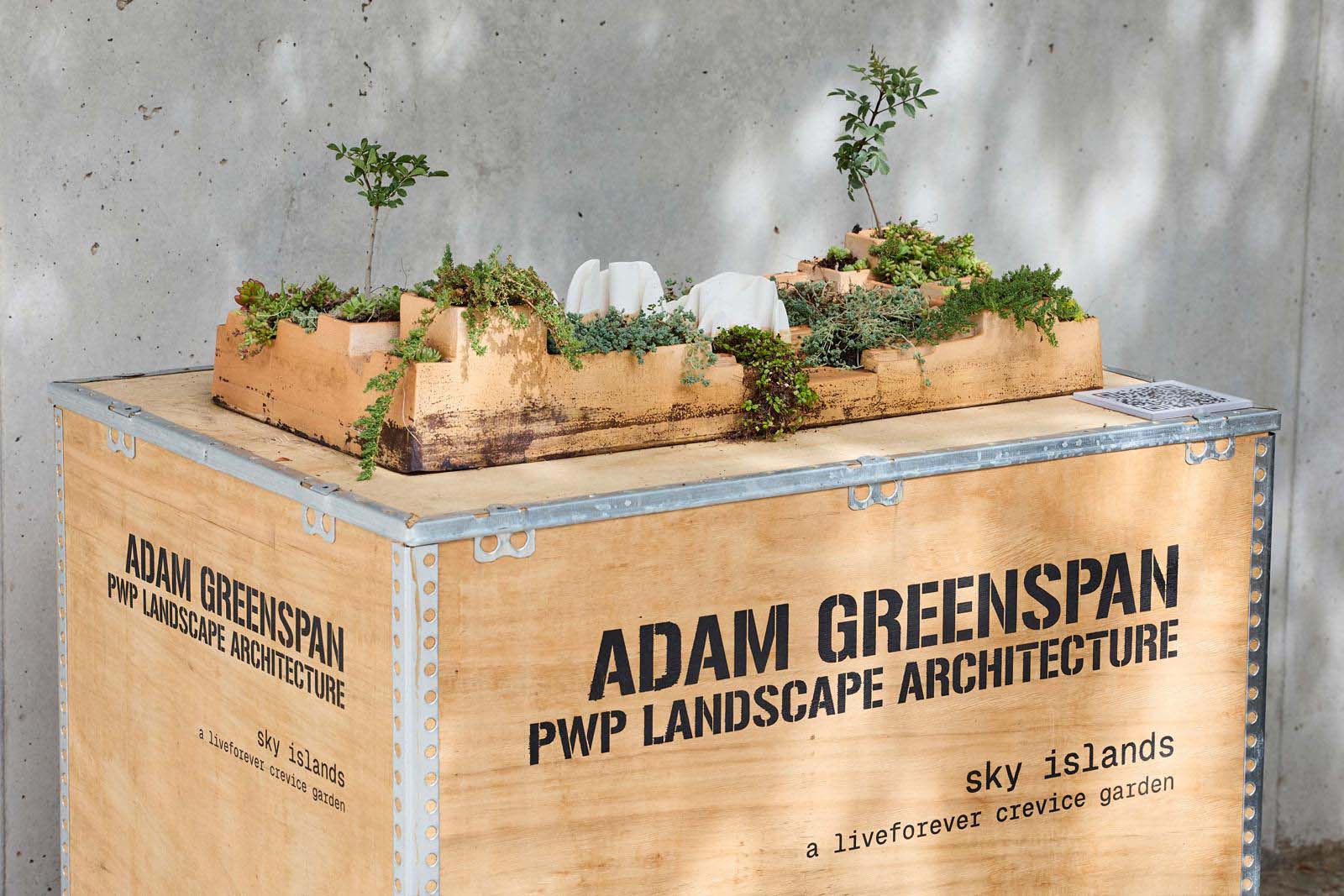
Sky Islands

A Liveforever Crevice Garden

California’s Pacific Coast is a place of elemental forces, of rugged beauty, of rich biodiversity. It is a place of dynamic activity and change moving forward at simultaneous but varied time scales. Geologic sea stacks and stumps - micro-islands that punctuate California’s coastal waters, jut up above crashing waves. Pummeled by wind, baked in sun, shrouded in fog, harsh conditions make these places feel inhospitable to life. Nevertheless, unique species and ecosystems inhabit rocky cliffs and crevices above and below the water’s surface.

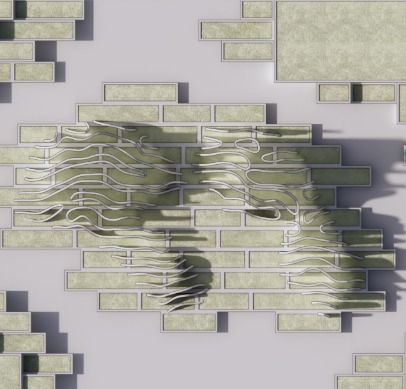
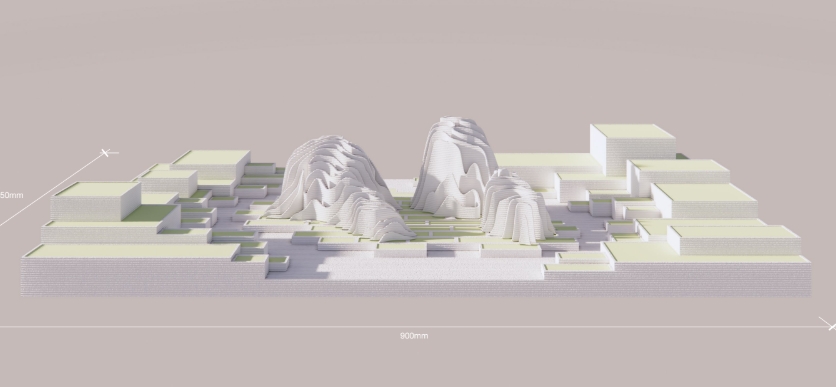
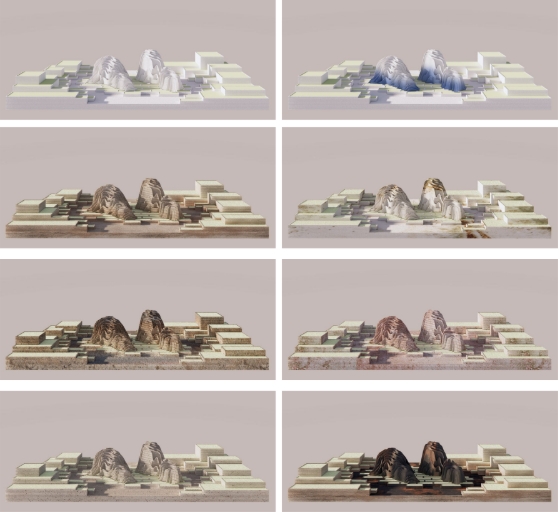
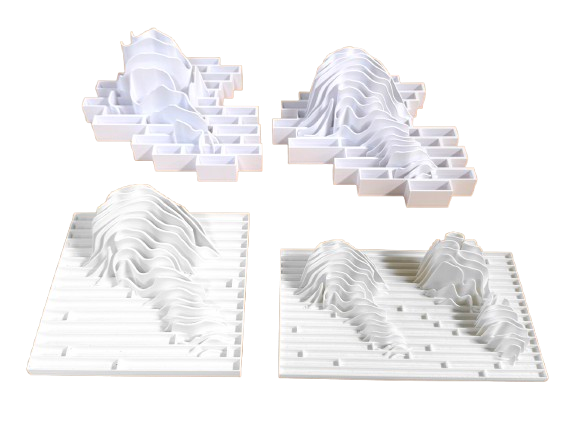
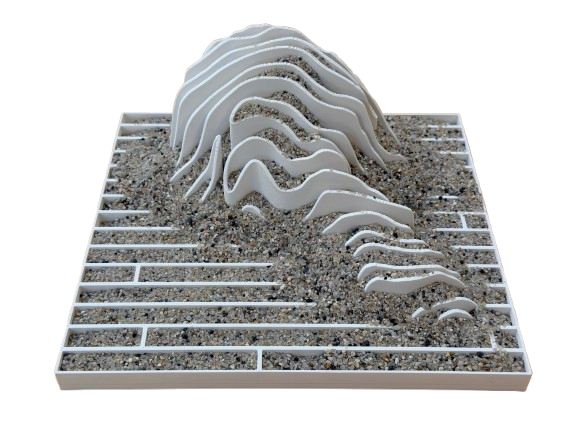
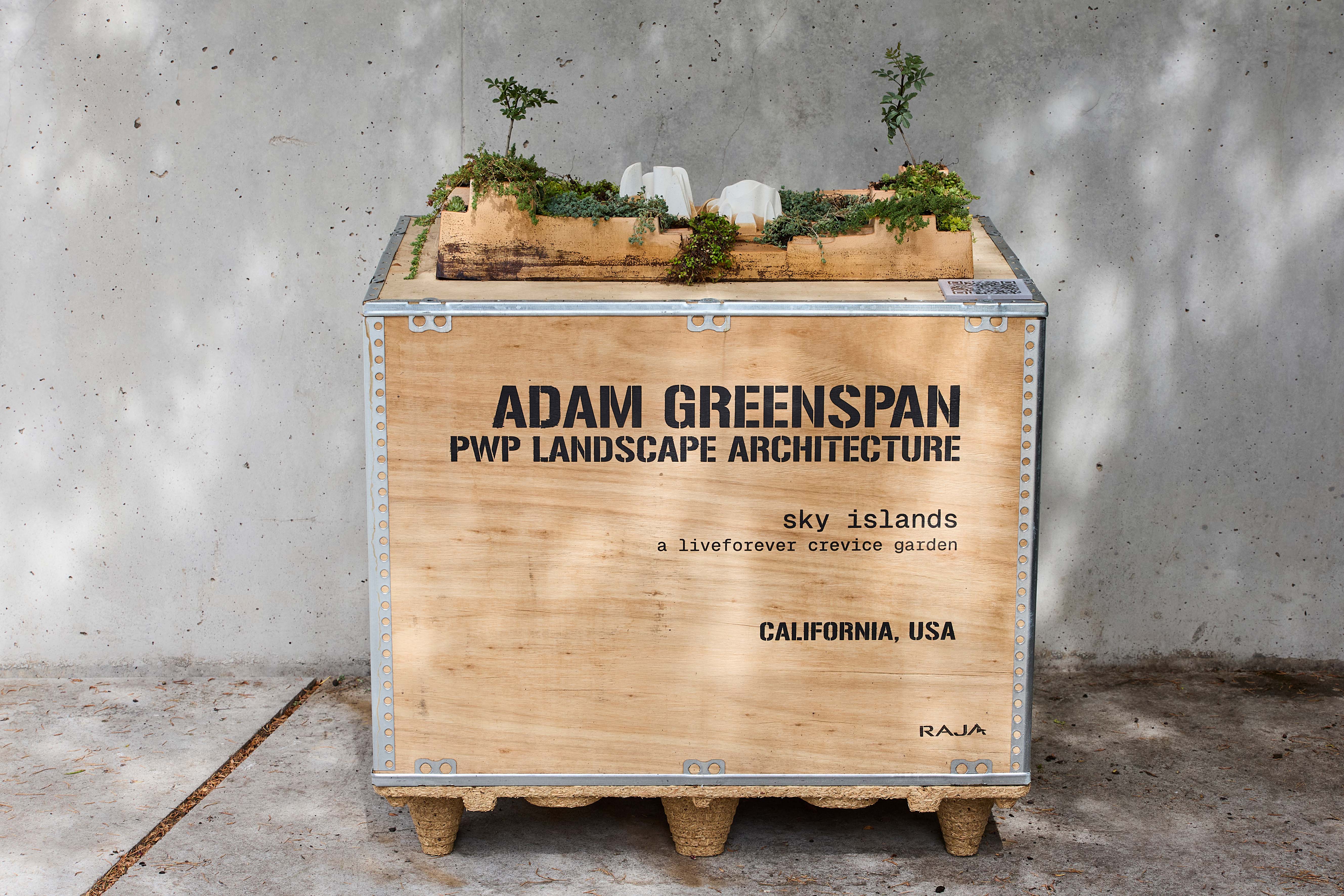
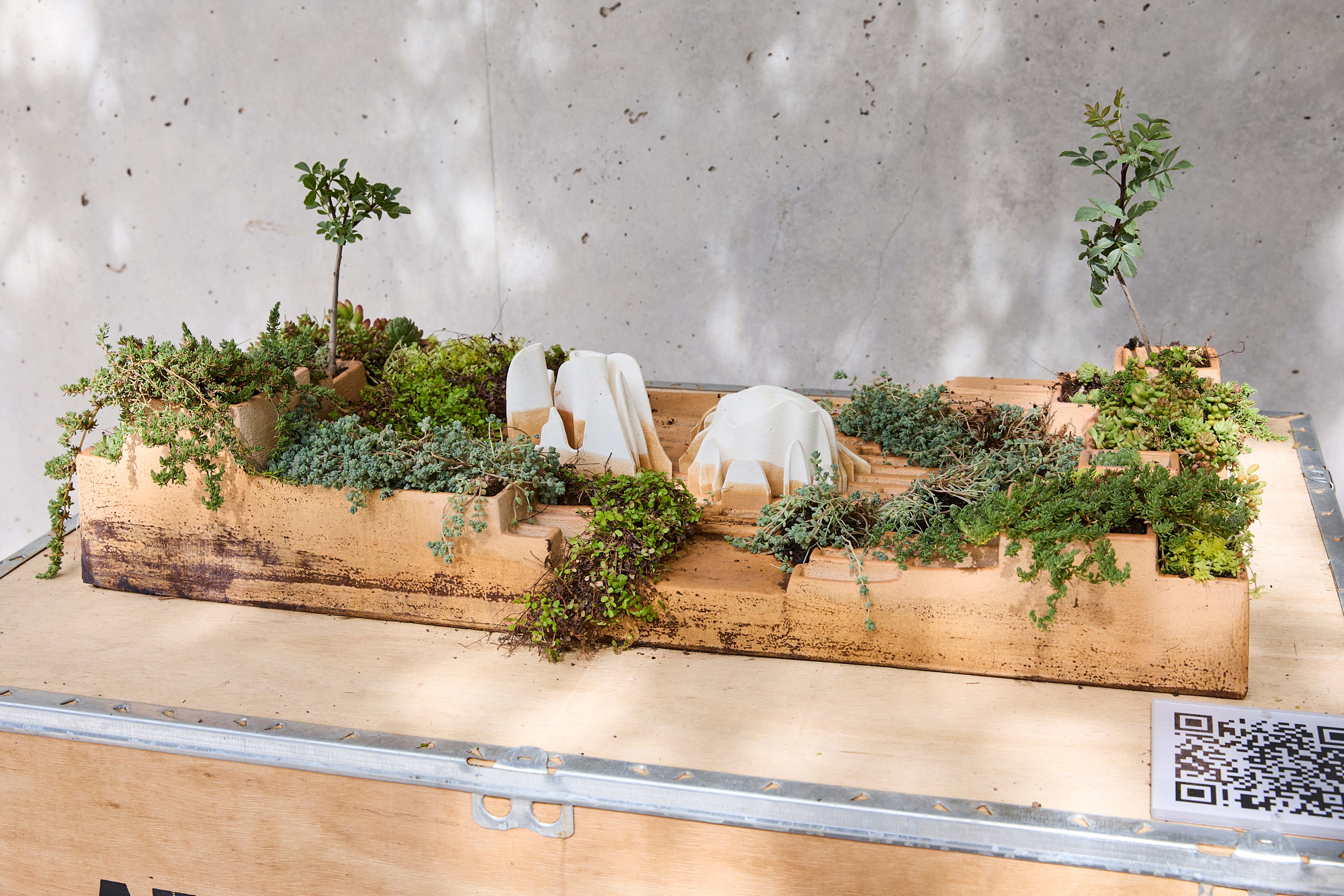
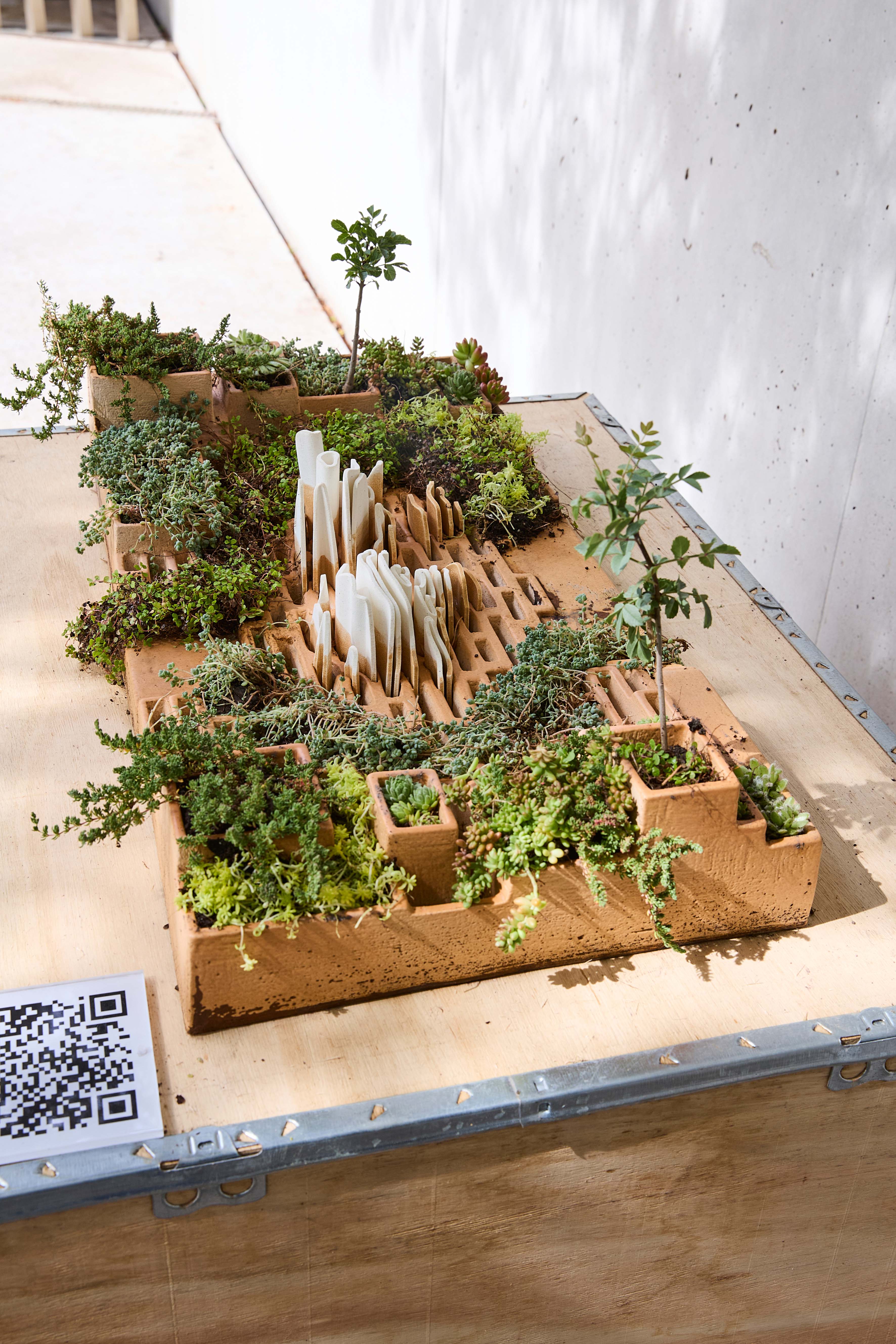
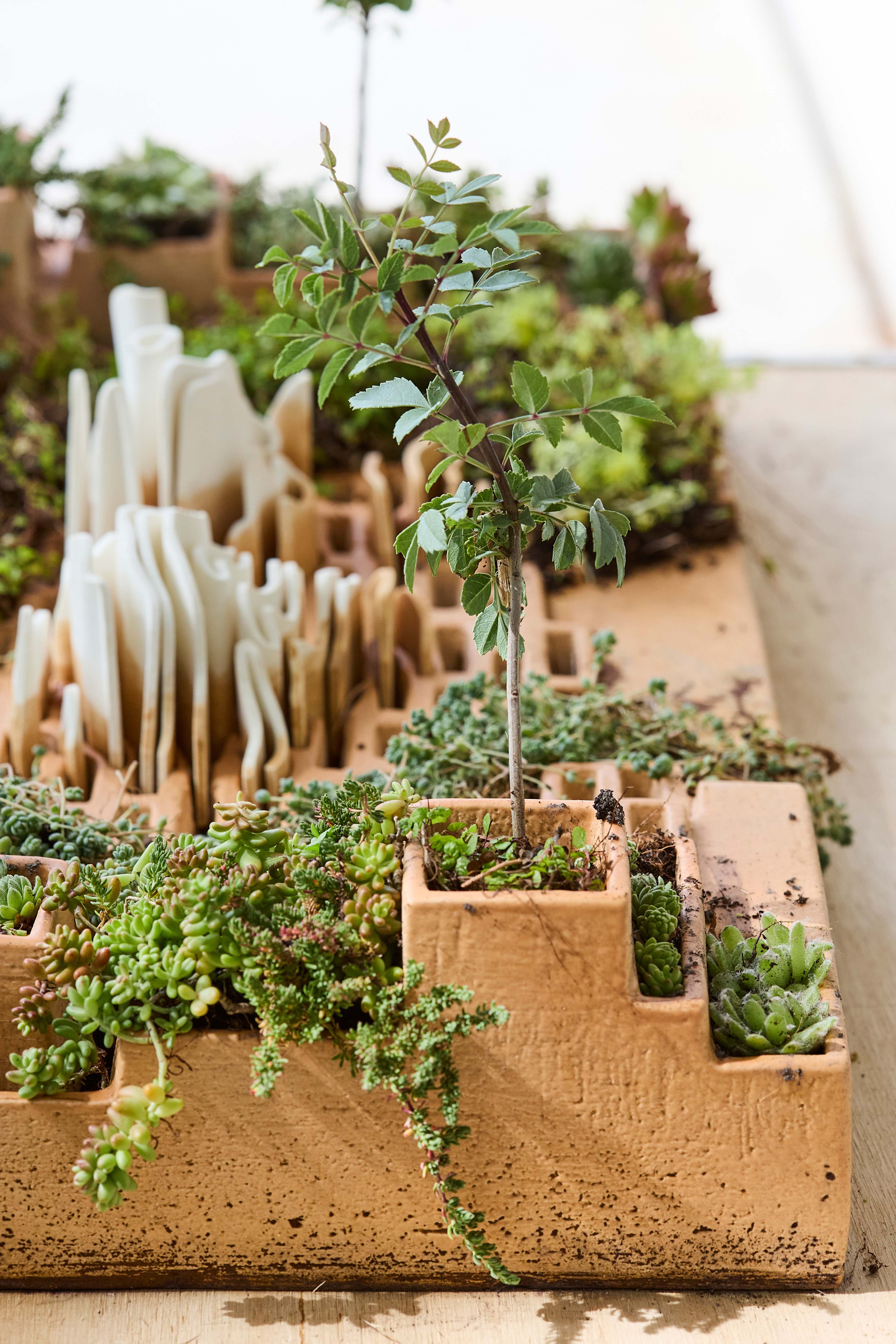
PWP’s parlour garden takes inspiration from California’s rocky coastline and the plants that grow there, just as our practice is often inspired by the interrelated systems and environmental drama of the land we call home. Many of our recent projects are sited on urban rooftops where environmental conditions can mirror the extremes of California’s coastal islands. Limited soil, high wind, periodic drenching, and extended periods of drought are all conditions found on coastal islands and urban rooftops (Islands in the Sky). Our garden blends these realities in an abstraction of dramatic coastal geology. Not only a Parlour Garden, the “Islands” also model possible methods for large scale 3d printed constructions that could create biomorphic and geometric crevice gardens of ideal habitat.

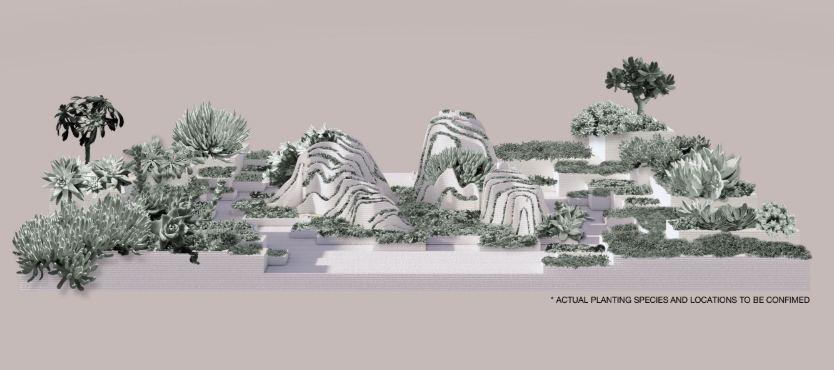
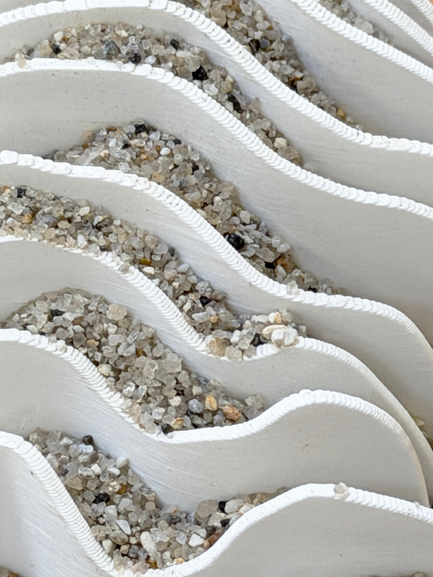
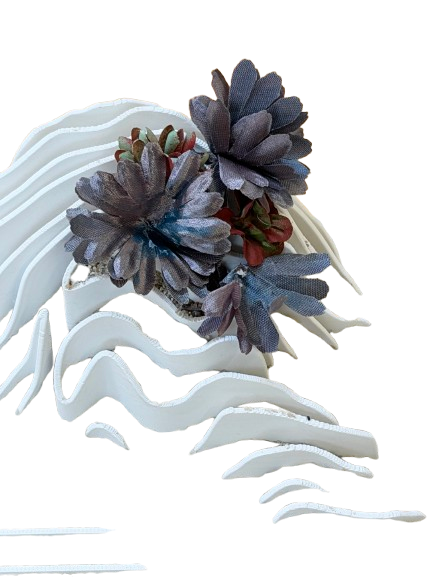
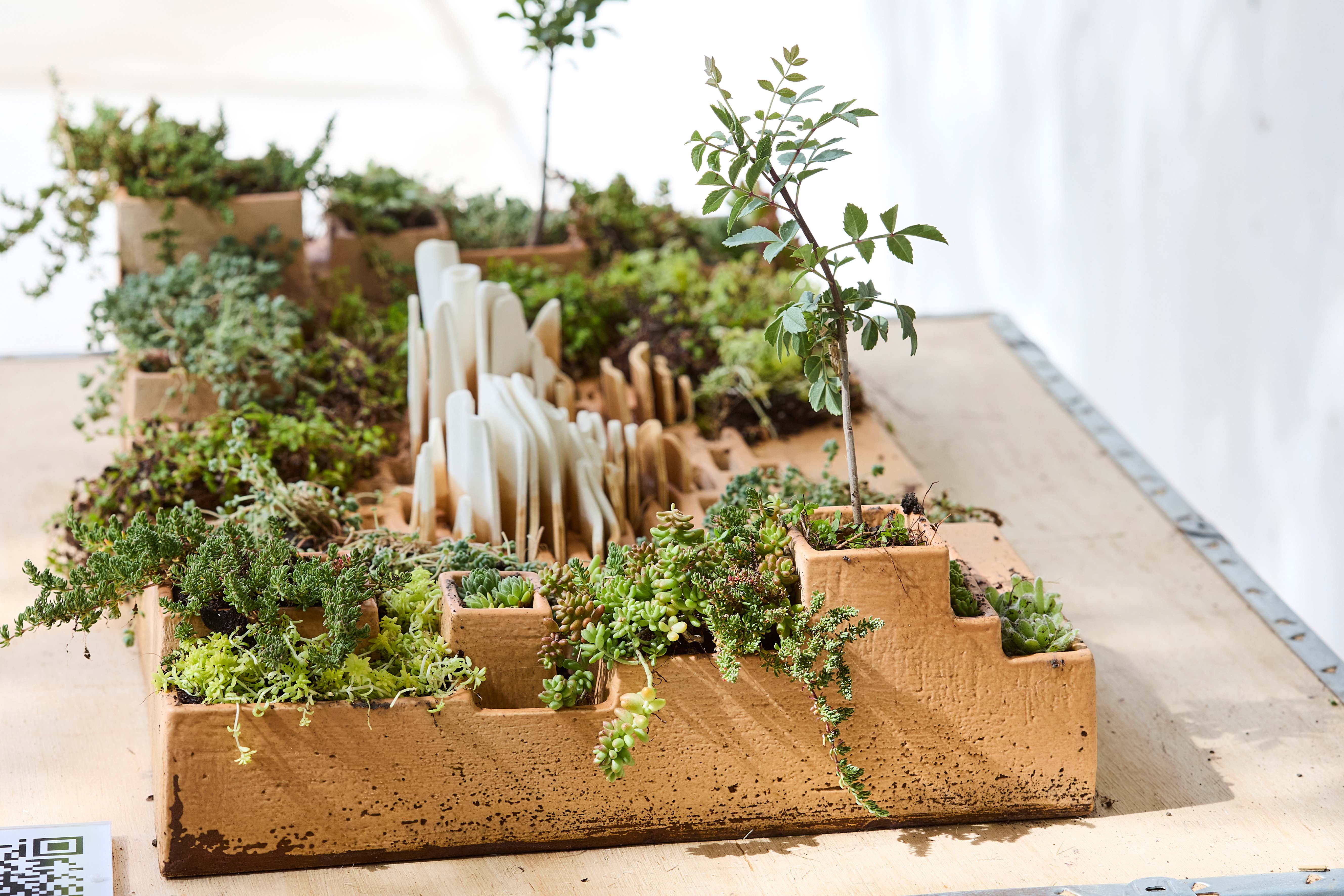
Dudleyas, succulents known as Liveforevers because they can live for over 50 years, are endemic to California and adapted to Mediterranean climates. They inhabit steep, rocky cliffs, canyons, and near-vertical slopes with minimal soil and excellent drainage - habitats that are challenging for other plants. In Sky Islands, succulents root within narrow ceramic crevices, like native Dudleya and Sedum on California’s coast, transforming rockfaces and vertical walls into living habitats. Diverse species occupy the taller structures while mat-forming Sedum, Pratia, Frankenia, or seedling Dudleya fill the lower sections. Plants soften the forms with color, texture, and seasonal change.

A gently meandering space for people is carved out between the sculptural island forms and constructed wall planters. The space guides visitors like a coastal trail might - always offering a new vantage and inviting movement through, rather than static viewing. The 3d printed ceramic garden suggests a model for what contemporary rooftops could become: small but meaningful habitats, places of biodiversity and resilience, vital landscapes that reveal that nature can thrive in the unexpected crevices of the built environment.

Making of Greenspan's project