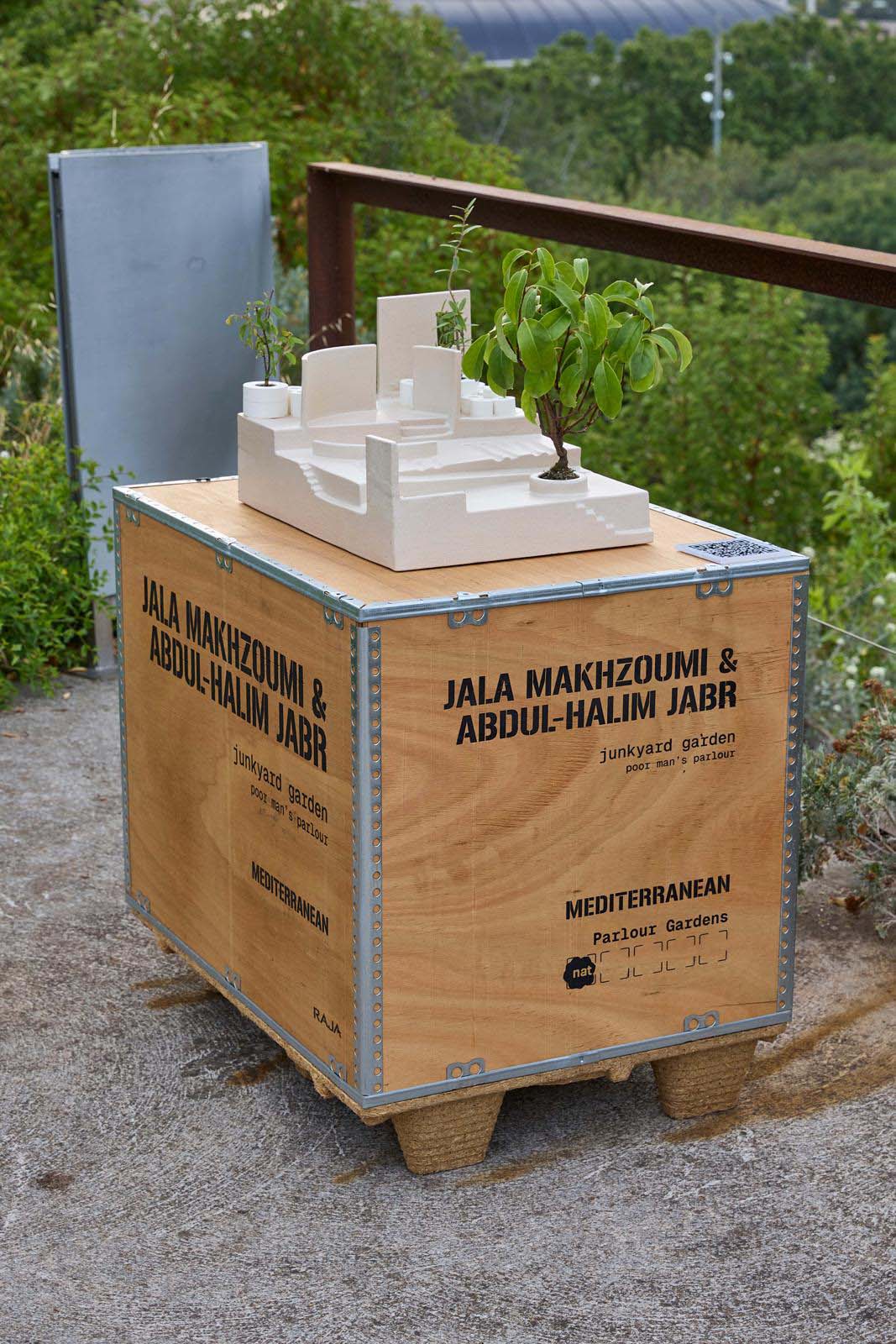
Junkyard Garden

Poor Man's Parlor

Whether designed or vernacular, a garden is a manifestation of a relationship with nature in a specific place and time. In hot arid ecologies of the eastern Mediterranean, the aim is to render a sterile nature productive. A garden is a hybrid orchard and vegetable garden. Paradise imaginaries in the Quran and the Bible speak of shaded gardens, abundant water and ‘fruit trees of every kind’. There are lemon trees and pomegranate, fig and mulberry and grape vine. The idea of garden as combining pleasure and productivity is very much alive today in rural culture and in urban peripheries in Lebanon, Syria and Palestine. The colloquial Arabic name is hakura, a garden with fruit trees, jneine, diminutive of jenna, Arabic for Paradise, and potager referred to as sahra, Arabic for desert because nothing but fruit trees qualify as garden.

It is hard to reflect on the rich cultural heritage of folk gardens in isolation of the political landscape that has come to engulf this part of the world. The parlor garden we envisage combines past and present, the traditional conception of a hakura garden with the landscape of war and displacement that includes Palestinian and Syrian refugee camps and displaced Lebanese. The garden we envision is a reclaimed place, a rooftop or backyard, leftover space between makeshift homes or in a refugee camp. An improvised, self-help garden, a poor man’s parlor. It is an affordable garden that uses low-cost, discarded car tires and tin cans, that are readily available, as makeshift planters.

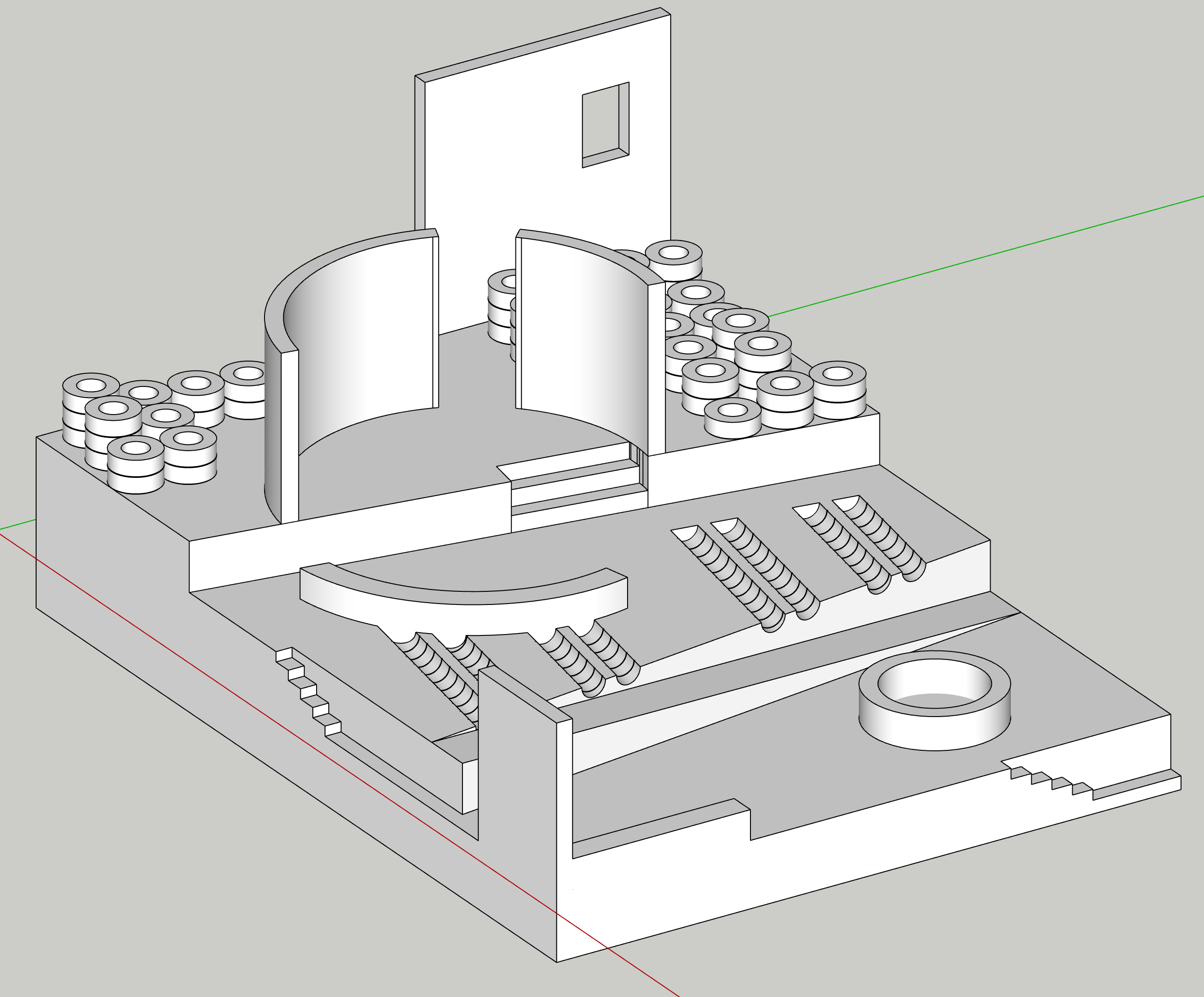
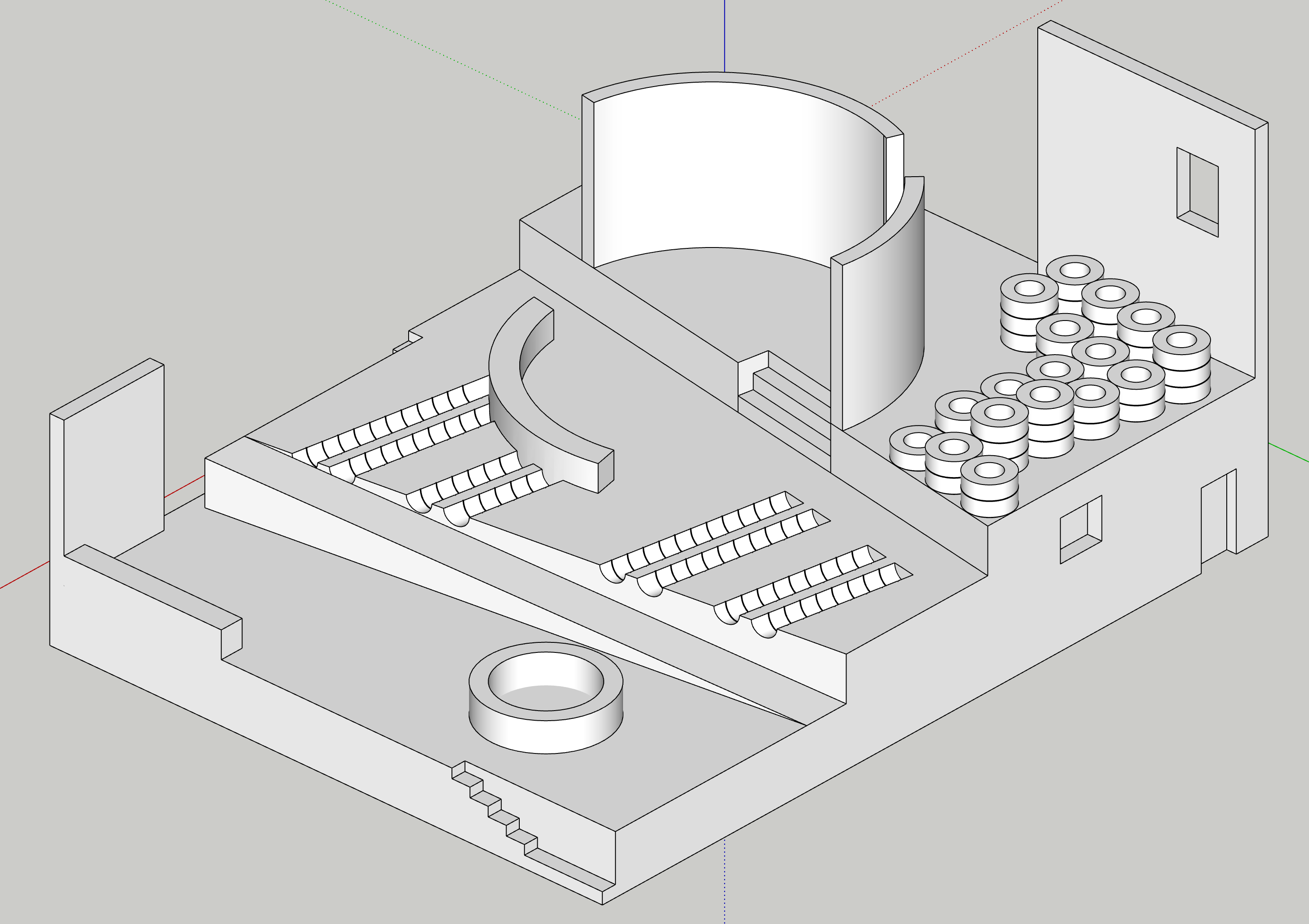
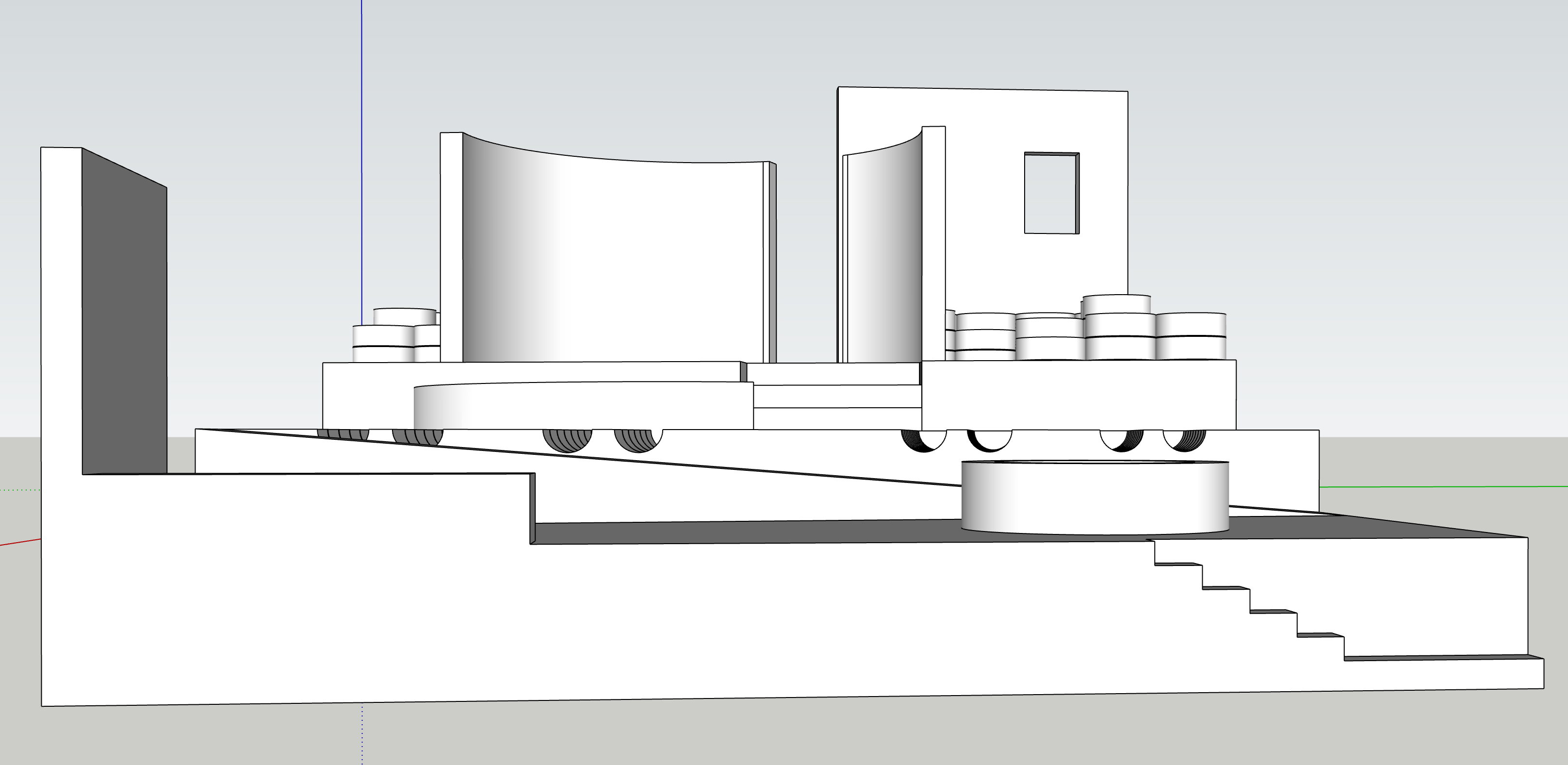
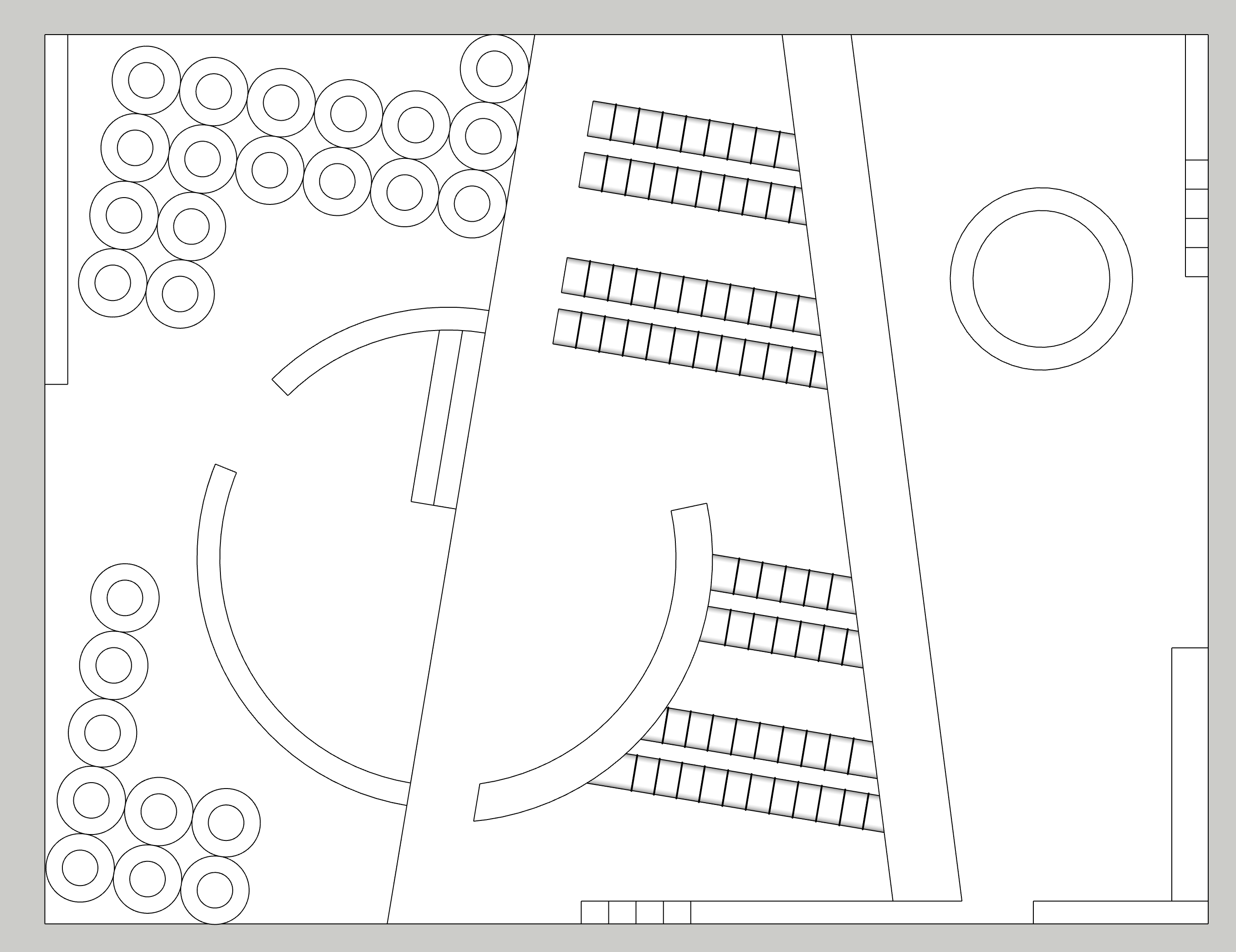
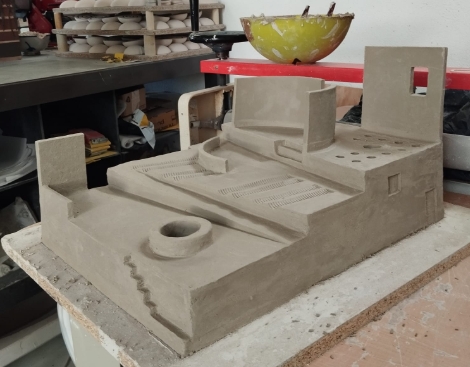
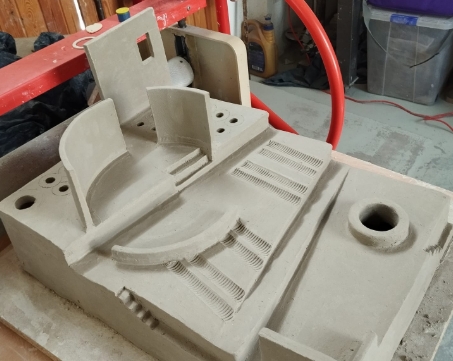
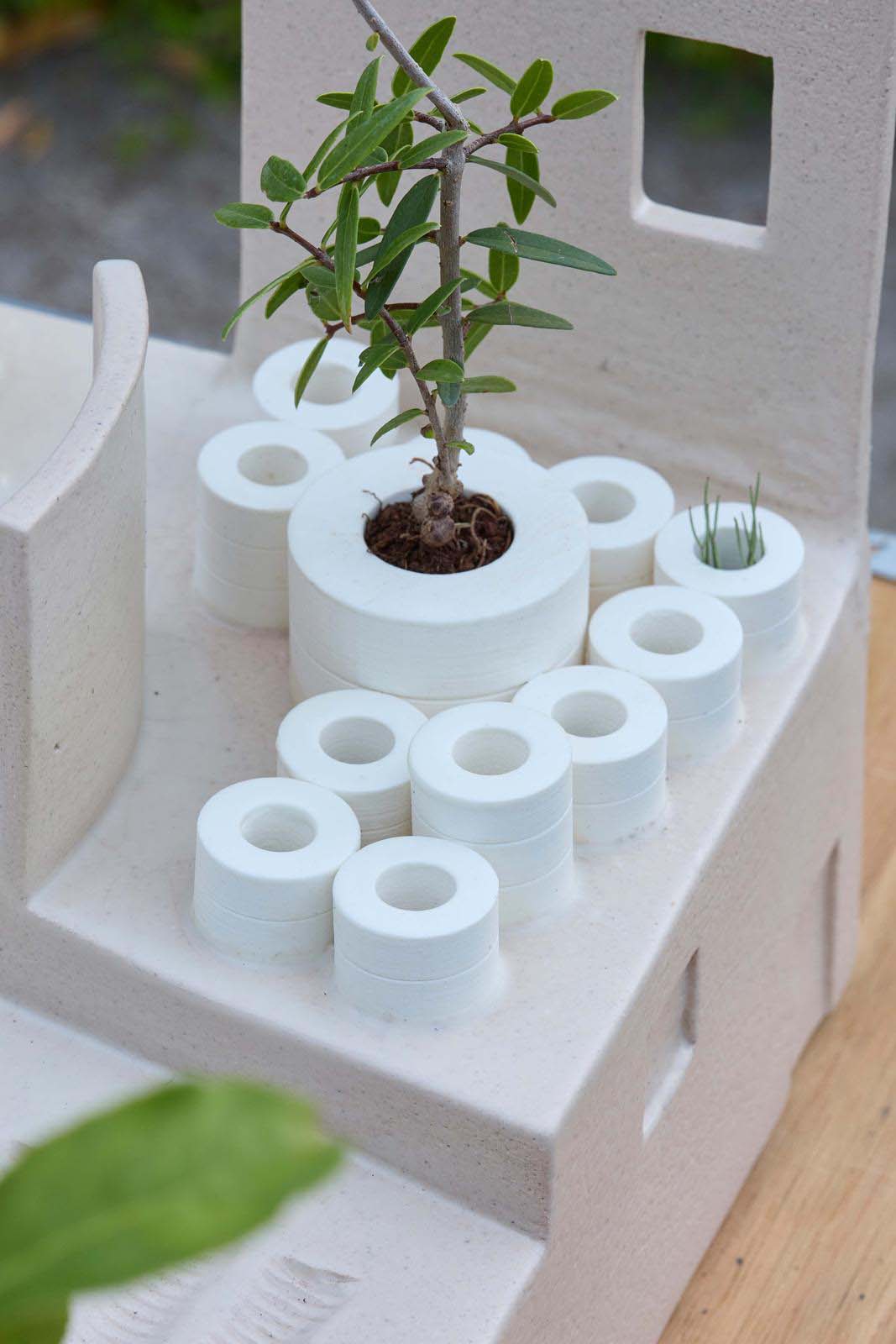
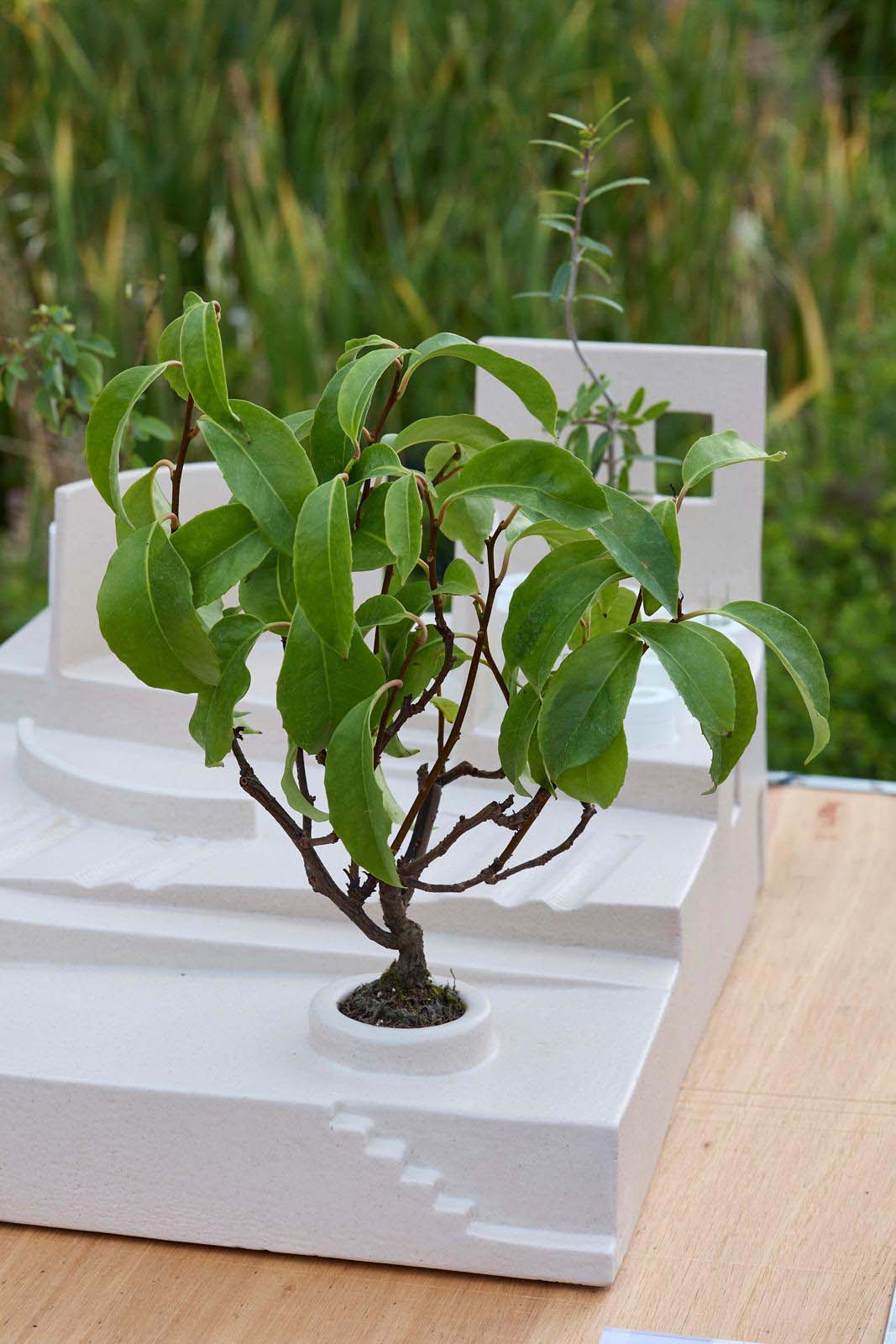
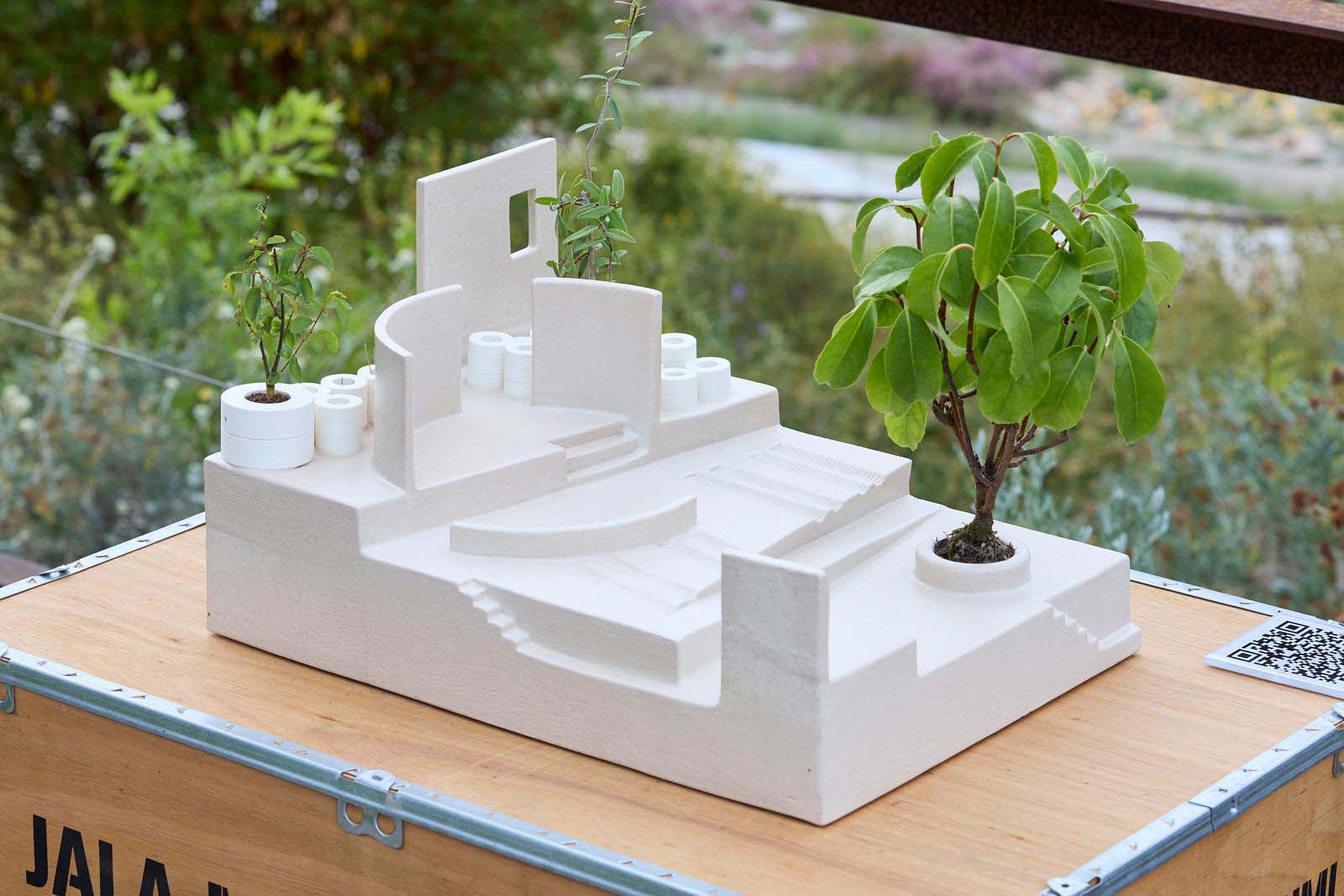
The garden design represented by the model is intentionally abstract, composed of three scalable modules that can be adapted to the available space. The first module is the orchard, jneine, fruit trees planted in stacked tires. The module includes the ever-present grapevine trailed over a pergola supported by a circular wall, that doubles up as a sheltered space for visitation. The second module is of the kitchen garden, half-tires forming linear troughs, used for the planting of herbs and vegetables, the sahra. The third, lowest part, is a pleasure garden, with flowers, roses and Jasminum sambac, planted in tin cans. It is a social space that centers around an existing tree, a mulberry or the common Melia azederach.

Making of Junkyard Garden