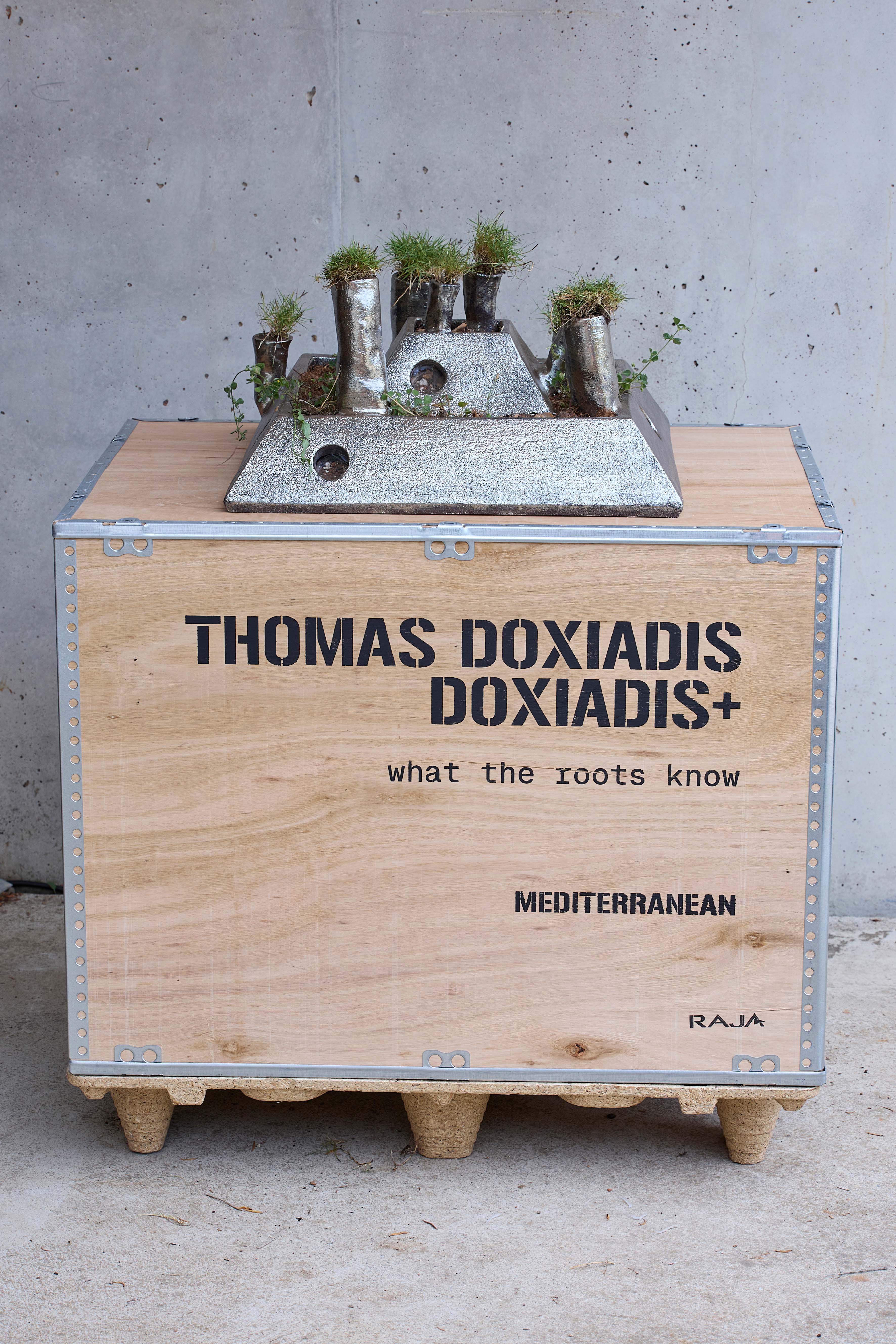
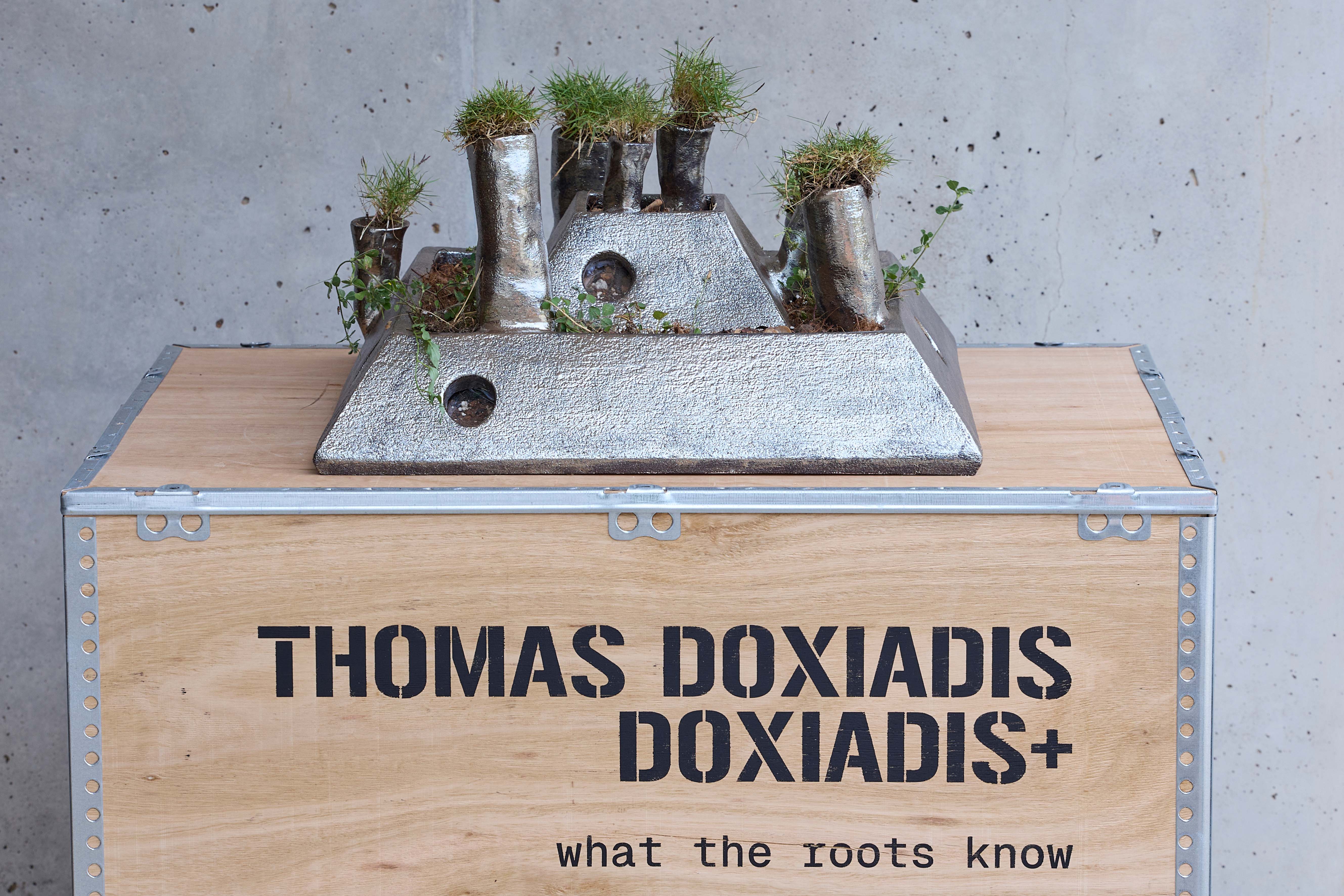
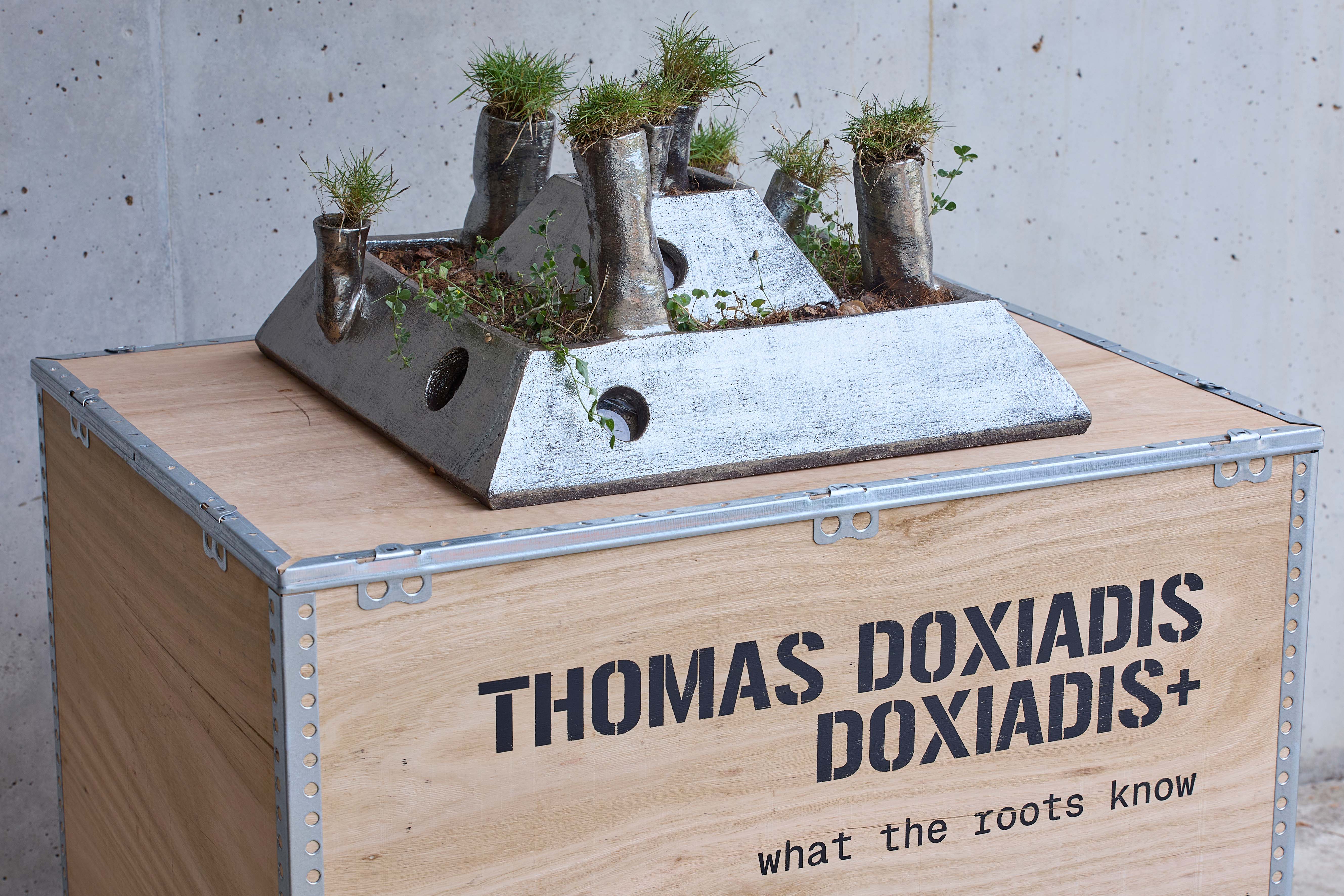
What the Roots Know
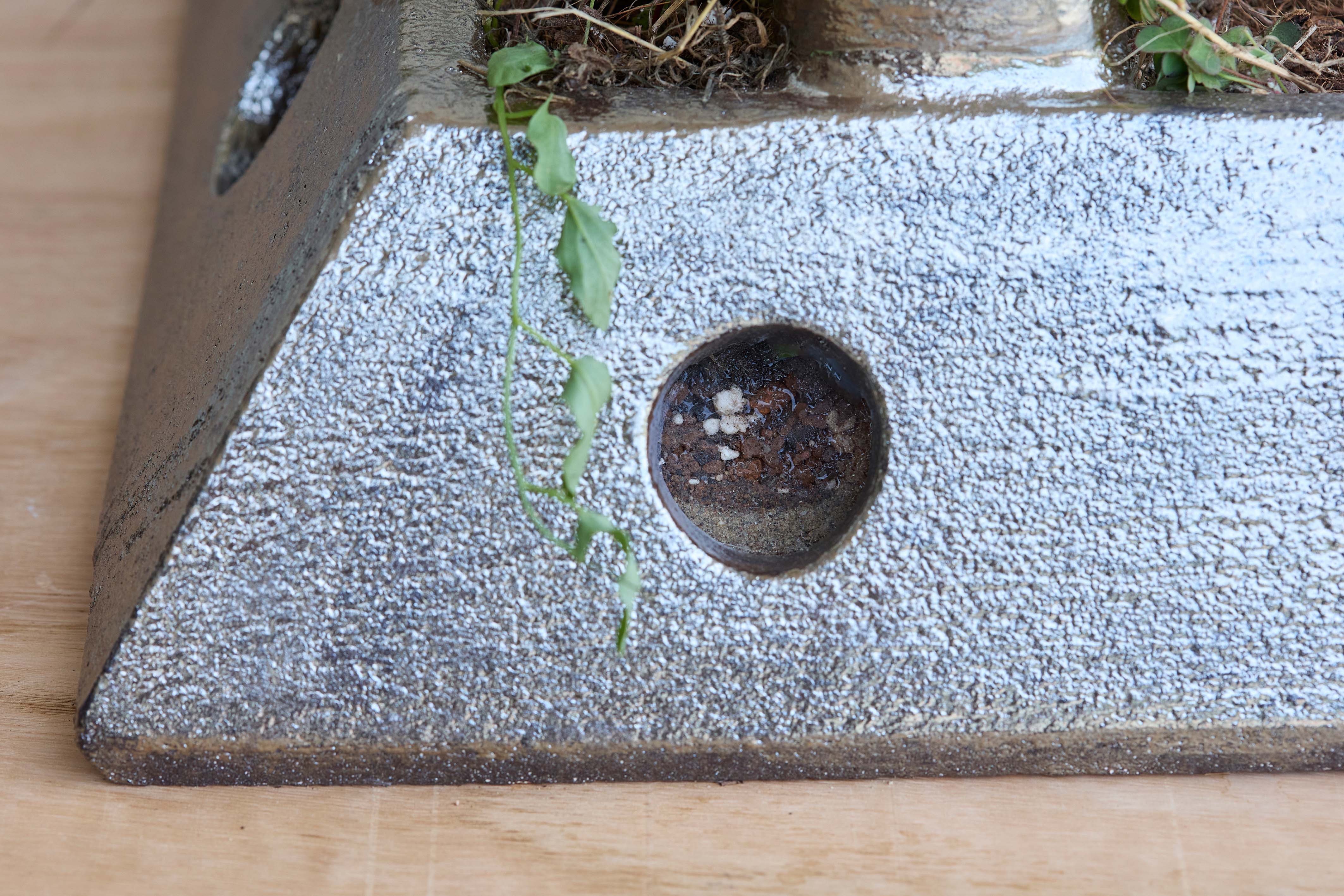
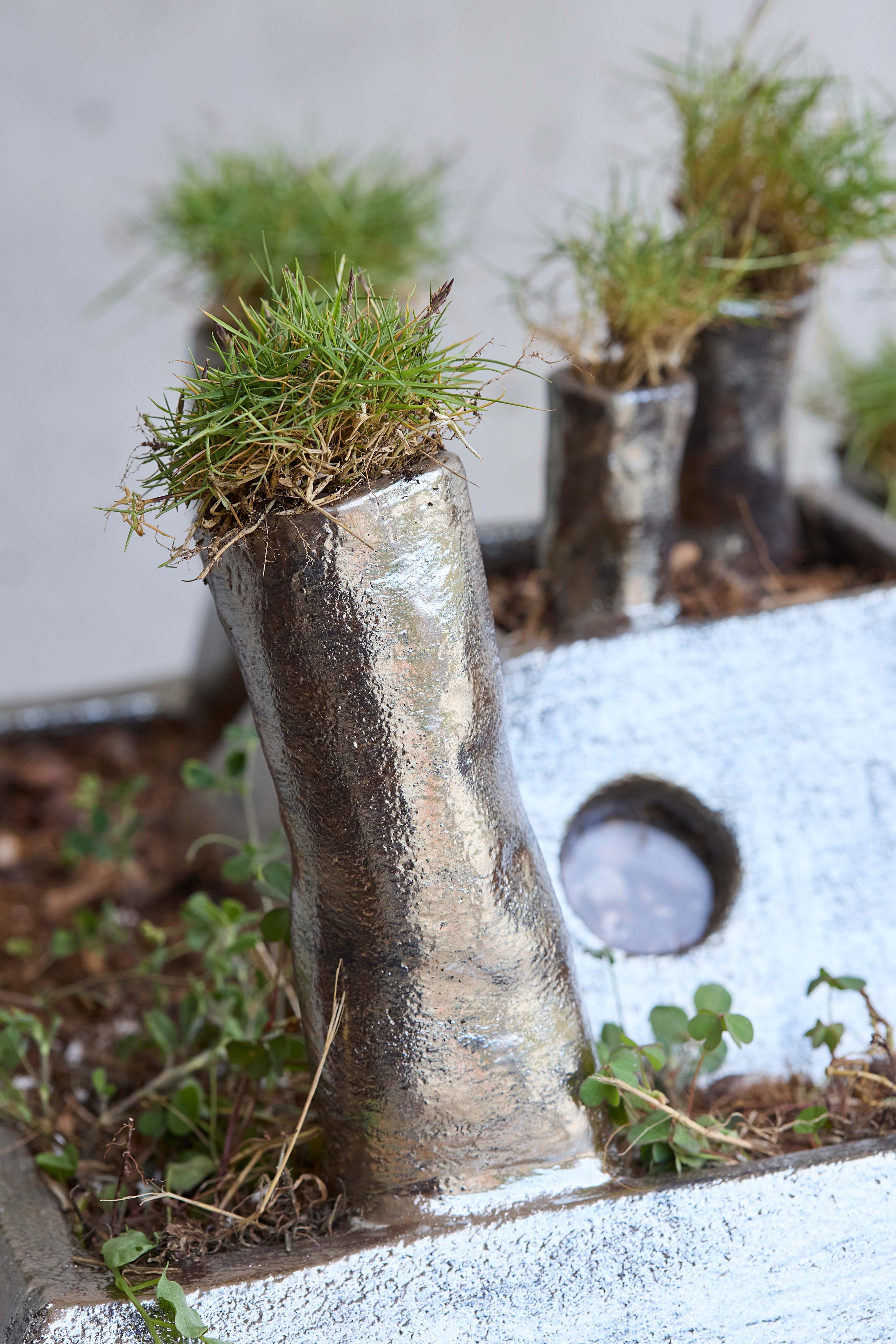
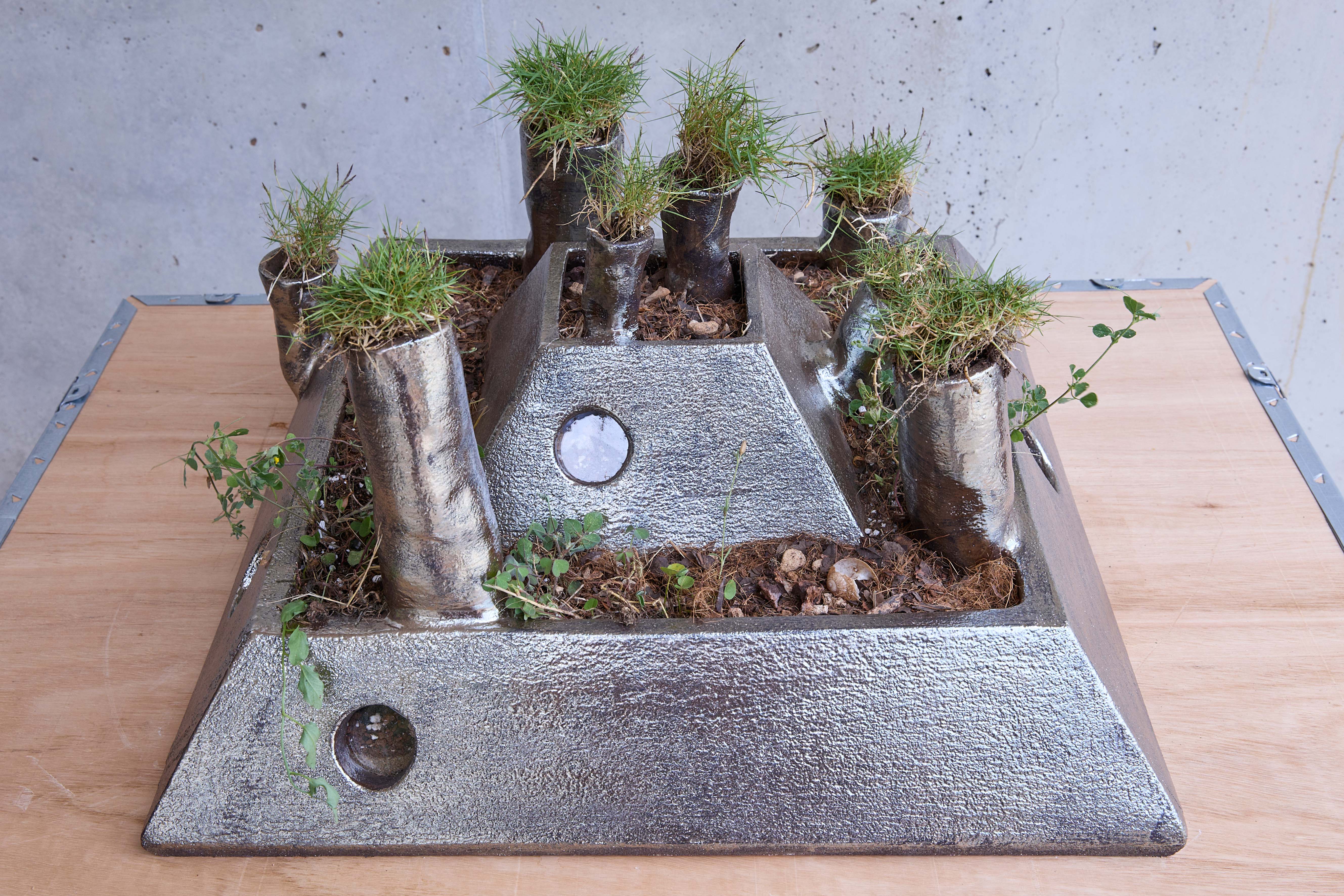
Making of Doxiadis' project
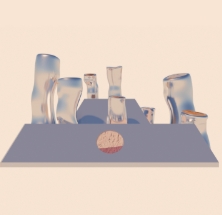
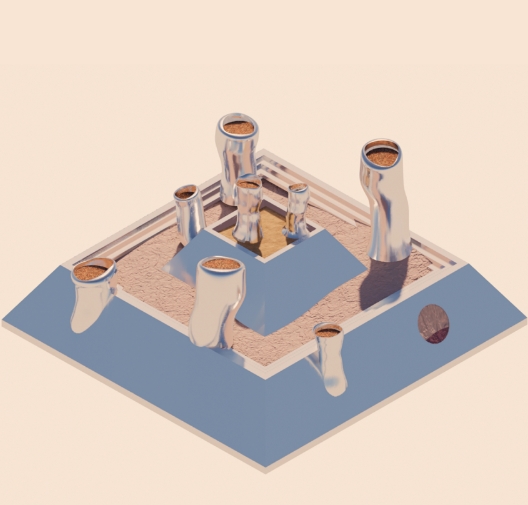
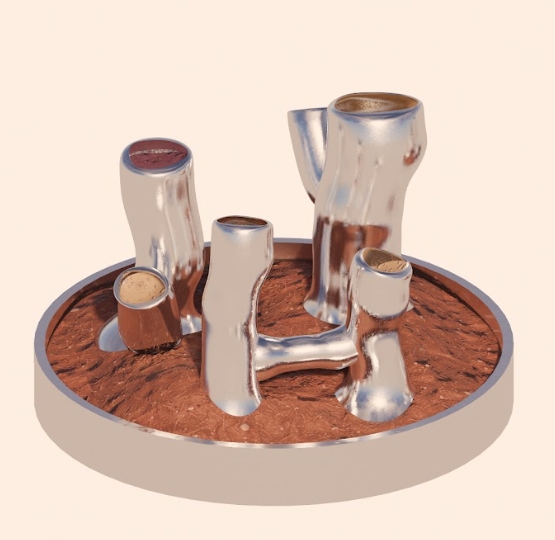
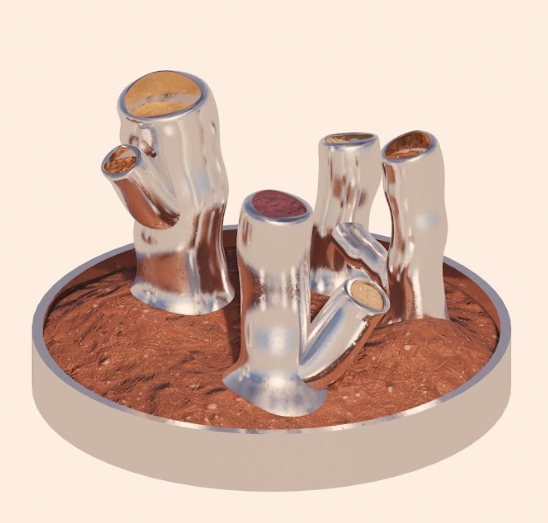
Lefkothea is a practicing architect based in Paris, exploring the intersection of architecture, biology, and art, viewing them as essential forces that re‑humanize and stabilize practice. This approach is reflected in her work across architecture, interior, and set design. A Berlage alumna, she has collaborated with firms in Athens, Amsterdam, and Paris, including Kengo Kuma and Associates, embracing cross‑cultural and multidisciplinary values.
Grounded in Genius Loci, their research engages posthumanist thought, advocating equitable coexistence between human and non‑human agents through materials and designs that bridge nature and culture.
Ioanna Potiriadi is an architect and landscape architect. She received her Diploma of Architecture from the N.T.U.A. (2011), and Master of Landscape Architecure from U.P.C., Barcelona (2014. Ioanna has received Postgraduate studies scholarship in Landscape Architecture-State Scholarship Foundation (IKY) and A.G. Leventis Foundation Scholarship (2012-2014).
Ioanna Potiriadi is an architect and landscape architect. She received her Diploma of Architecture from the N.T.U.A. (2011), and Master of Landscape Architecure from U.P.C., Barcelona (2014. Ioanna has received Postgraduate studies scholarship in Landscape Architecture-State Scholarship Foundation (IKY) and A.G. Leventis Foundation Scholarship (2012-2014).
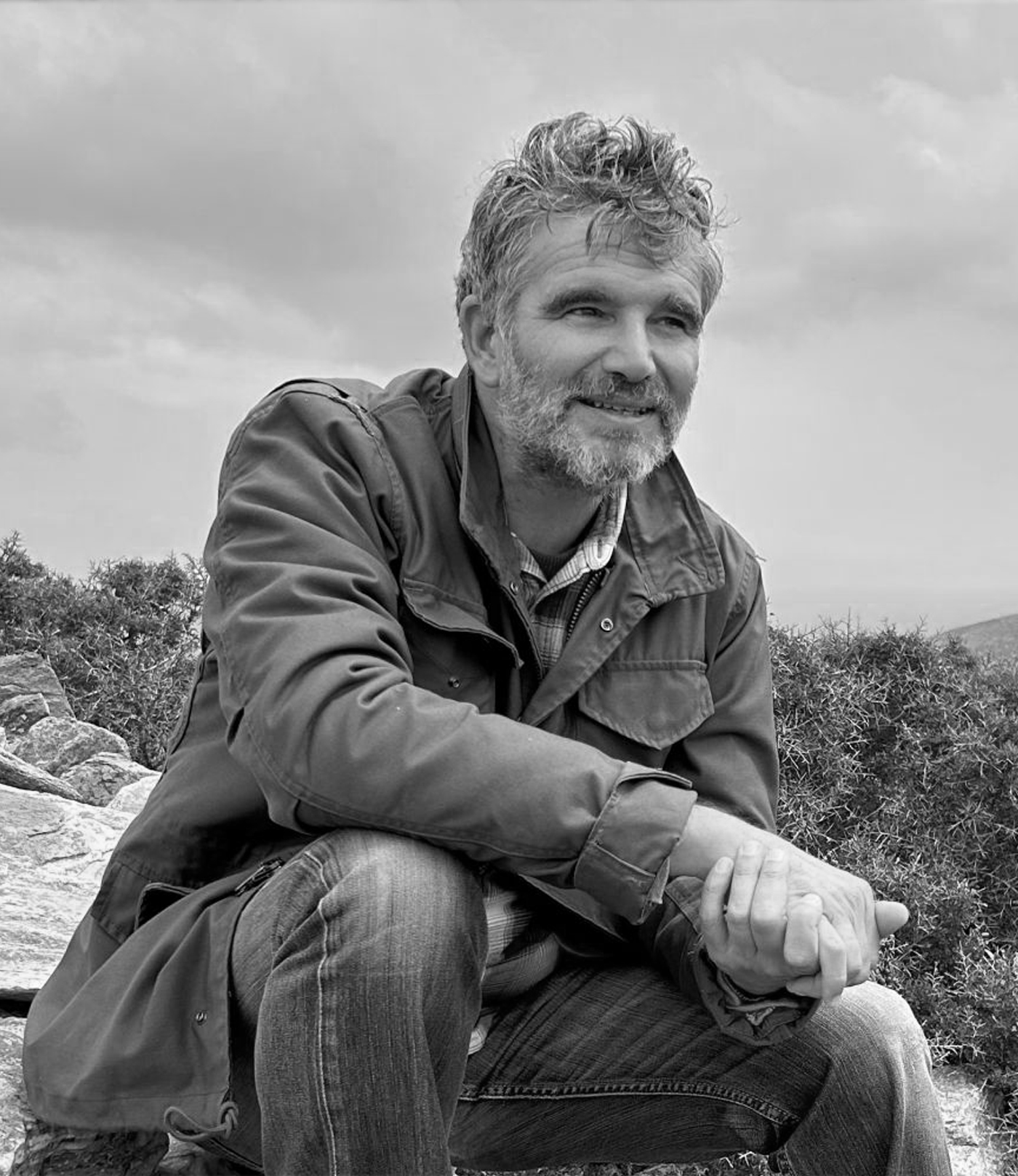
Mario is a soil consultant and leads Terranima.farm, a project rooted in regeneration.
His work begins with the soil, but extends beyond it — exploring how healthier landscapes can reshape the way we grow food, relate to each other, and inhabit the land.