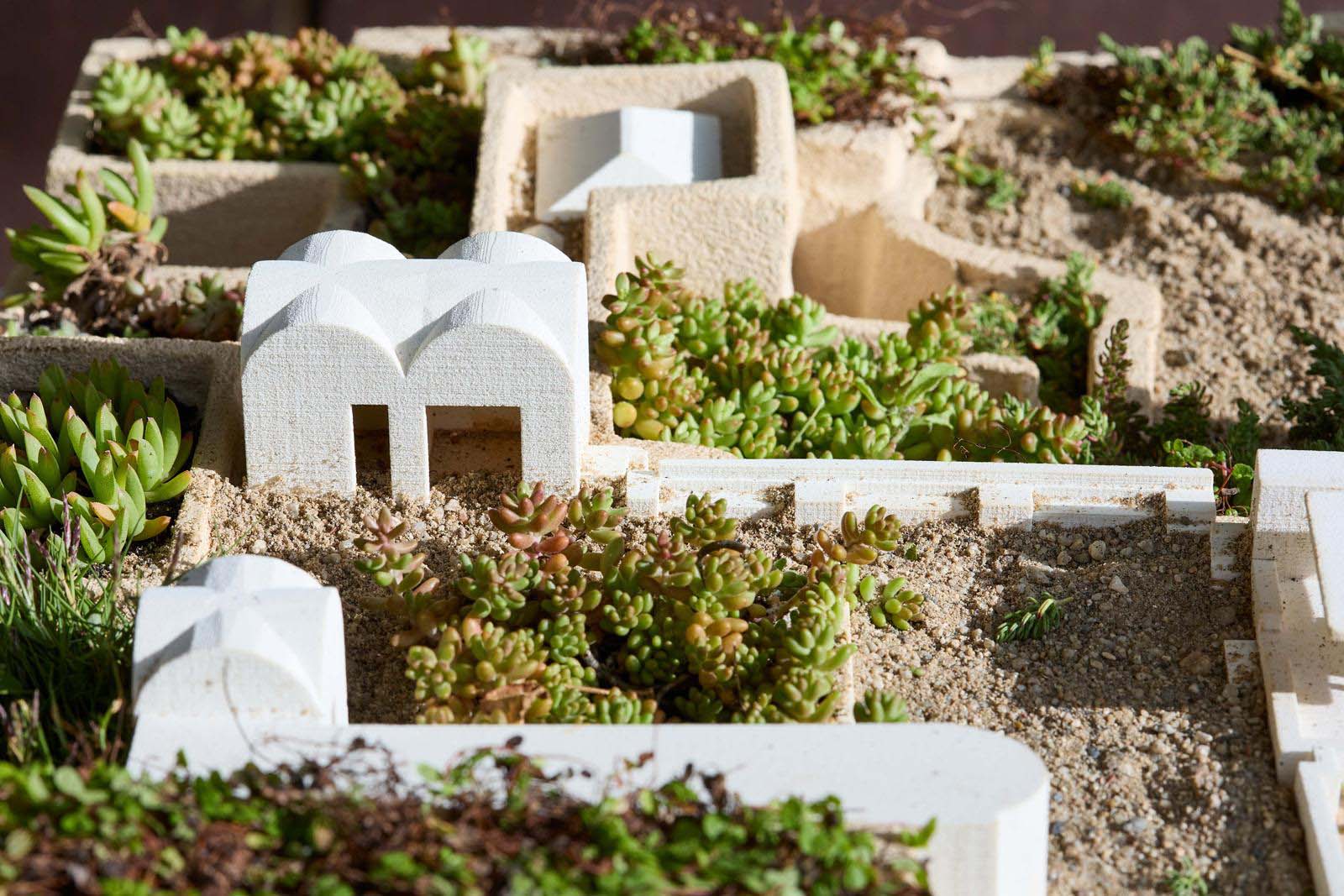
Tunis Roofscapes

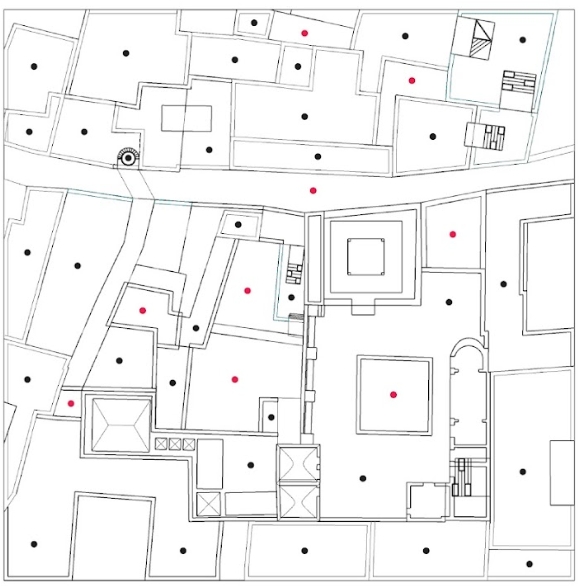
The Medina of Tunis was founded in the 7th century. Its rooftops collectively form a rare continuous and expansive open space amidst its low-rise urban density. However each of these rooftops are isolated from one another despite their proximity.

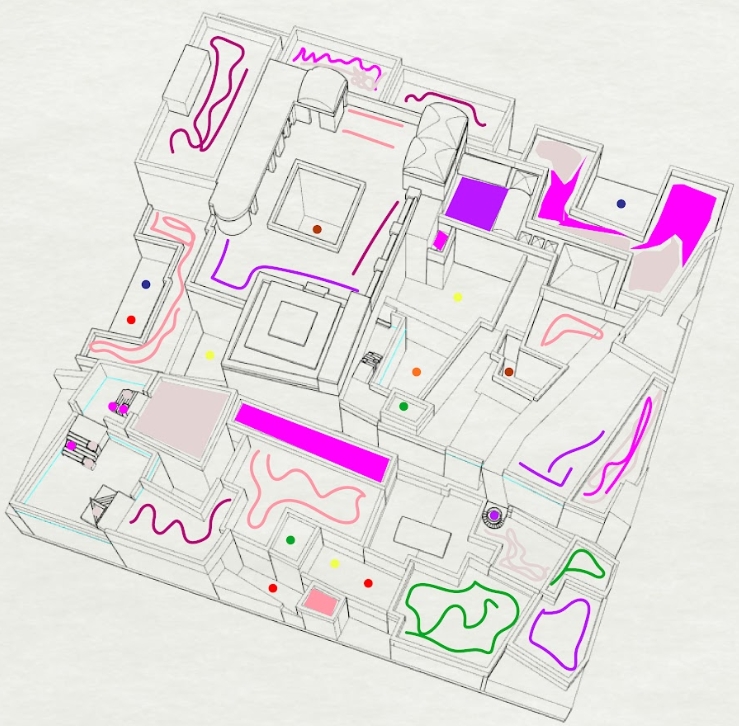
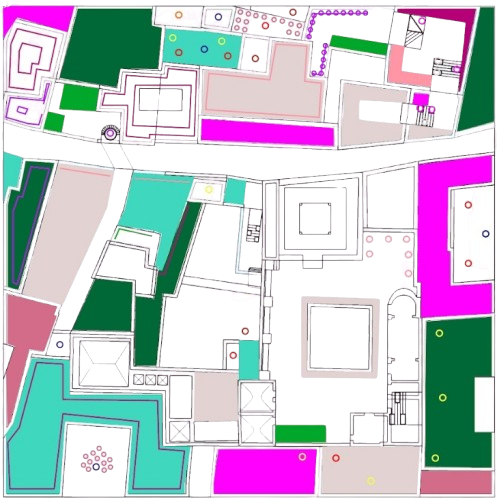
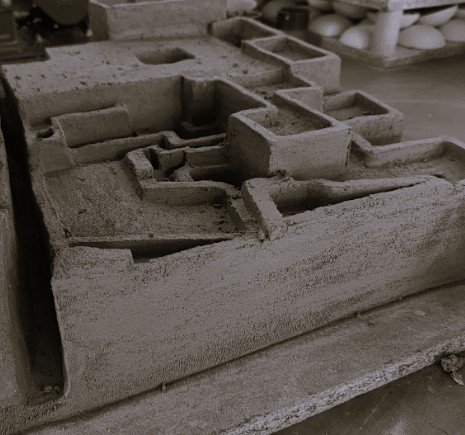
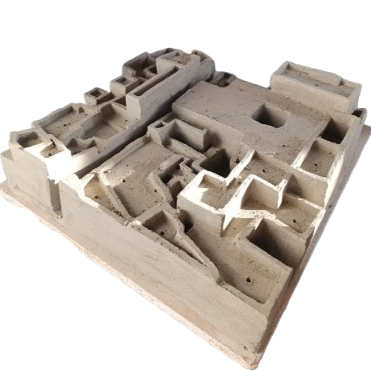
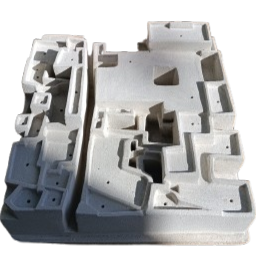
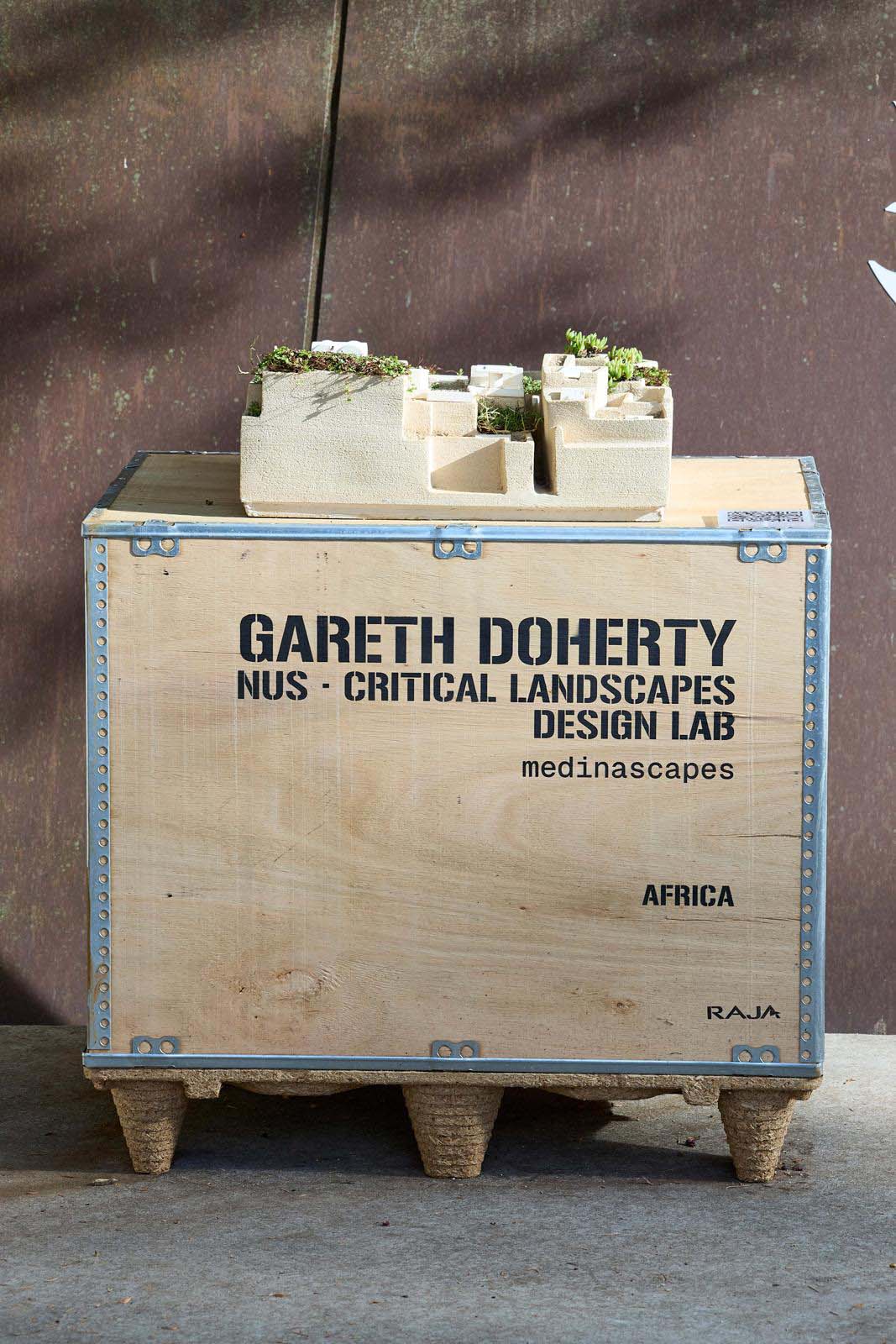
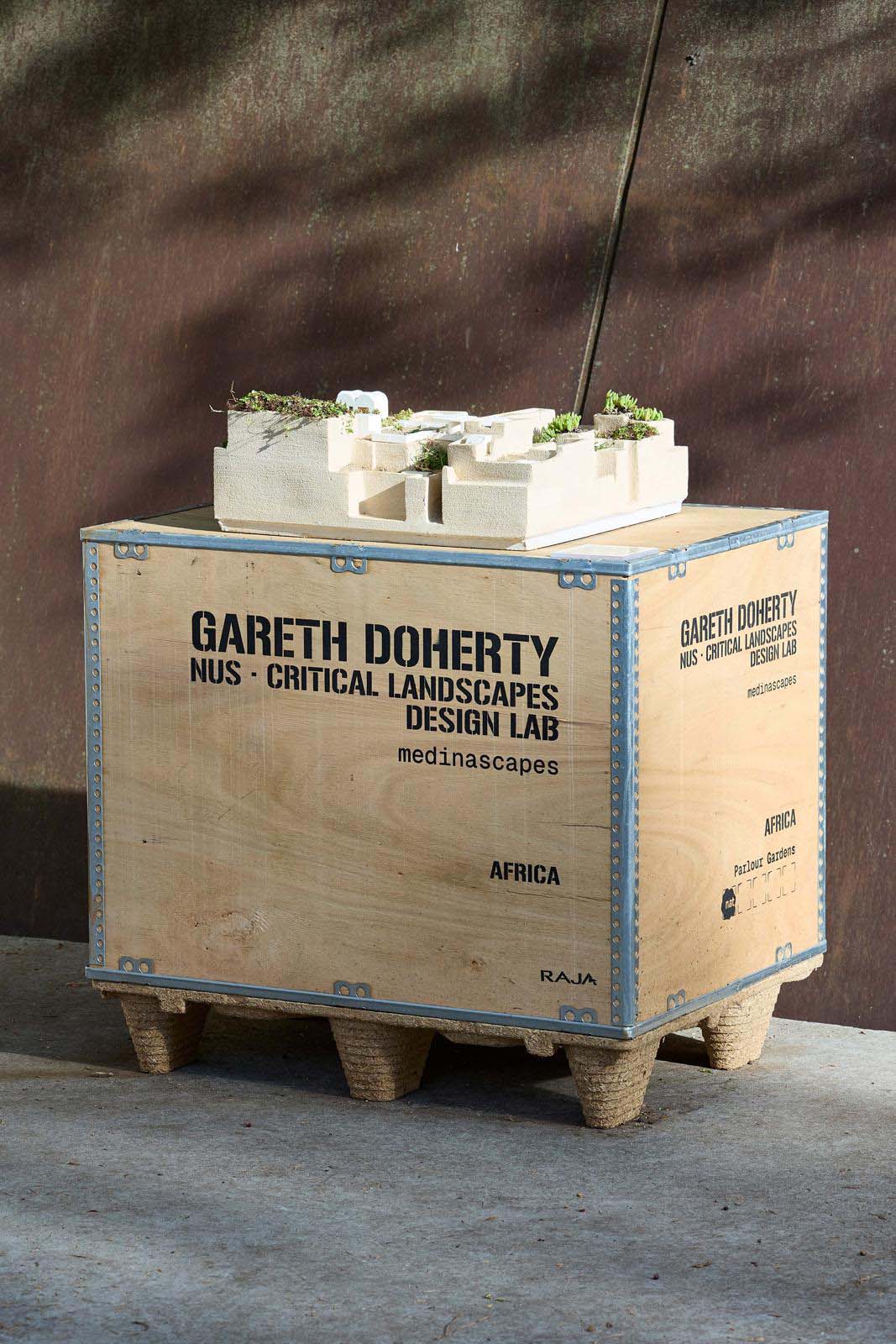
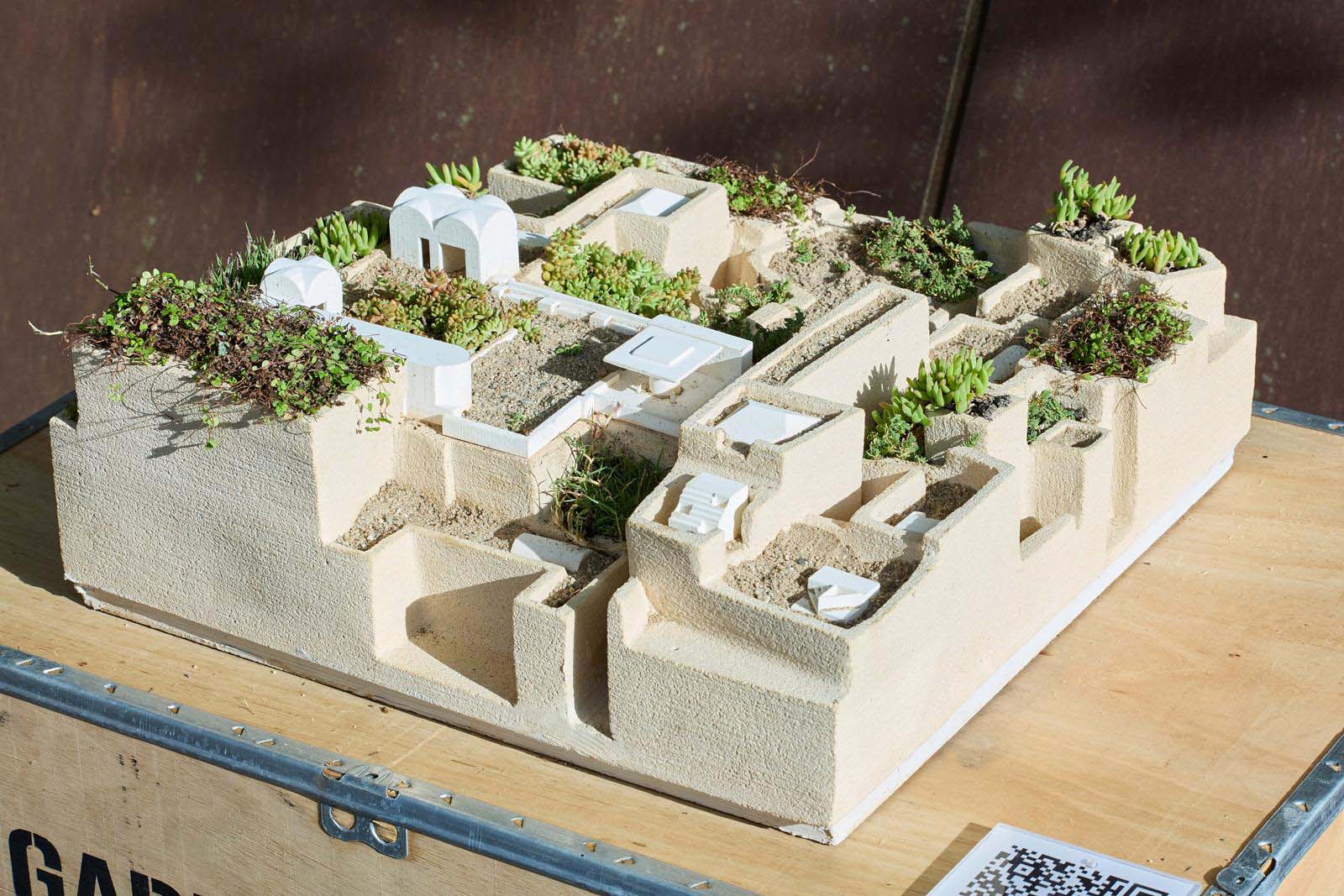
This project is a provocation to turn the Medina of Tunis' roofscapes into gardens and shared spaces. Focusing on the neighborhood of the restored Dar Ben Gacem hotel as a prototype, we envision connecting the Medina's rooftops through stairs, ramps, and pedestrian bridges to link humans and animals such as its ubiquitous cats. The connected rooftops will turn underused spaces into shared public spaces. This roofscape will also act as a connector for plants, pollinators, and birds. Extreme heat will also necessitate layers of shade, though canopy planting and shade structures, and the collection and movement of water to create spaces of evapotranspiration. Viewed from above, Tunis Roofscapes forms a mosaic of planting and paving, inspired by the Medina's traditional swallow tiles.

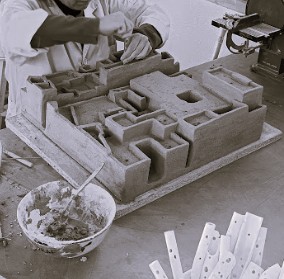
Making of Tunis Roofscapes